
Last updated November 21, 2026
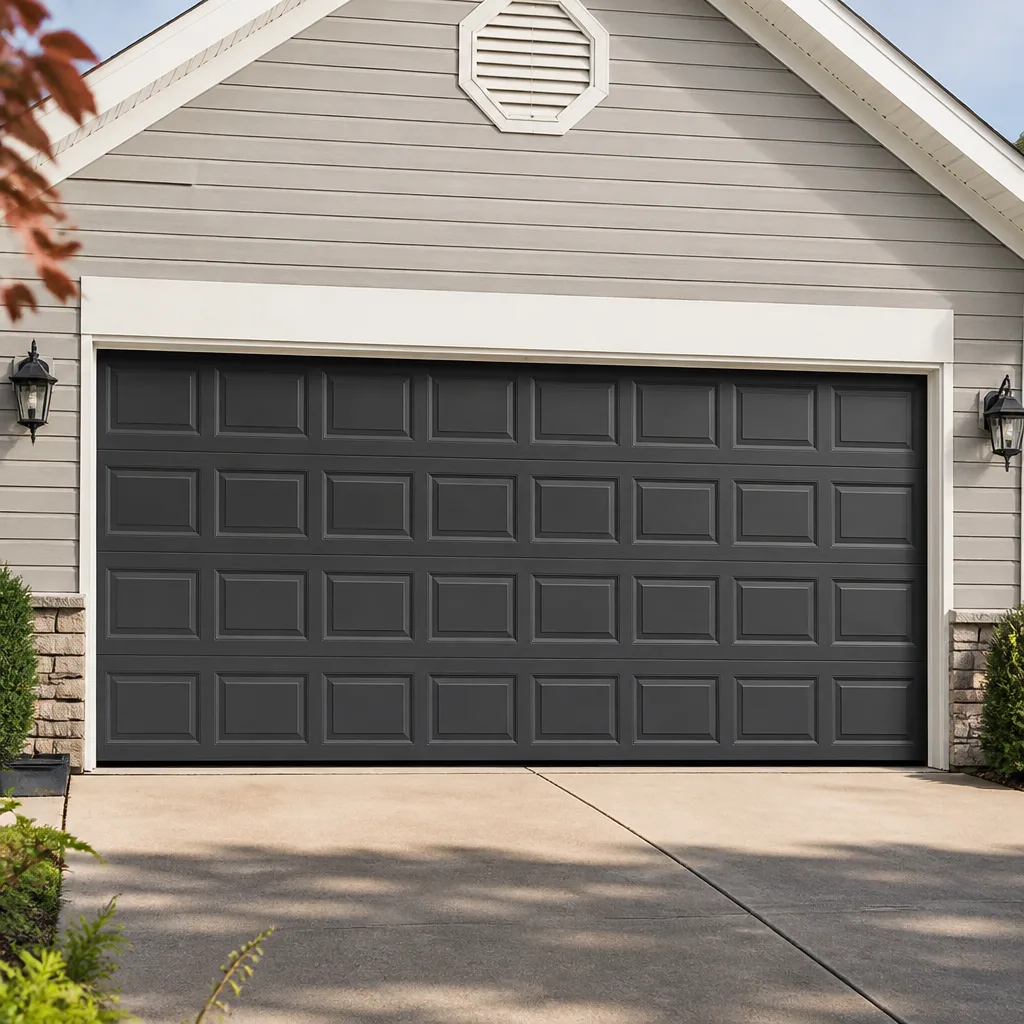 Raised-panel steel
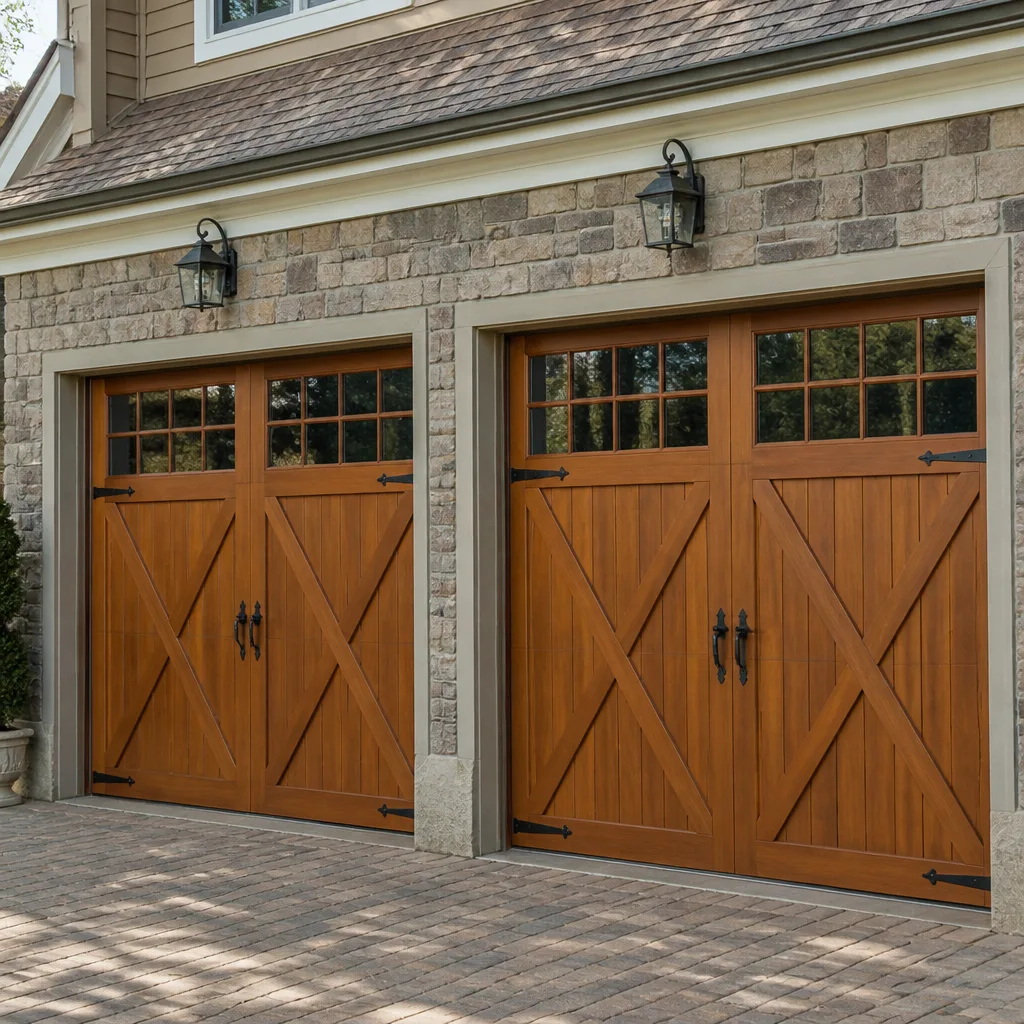 Carriage house
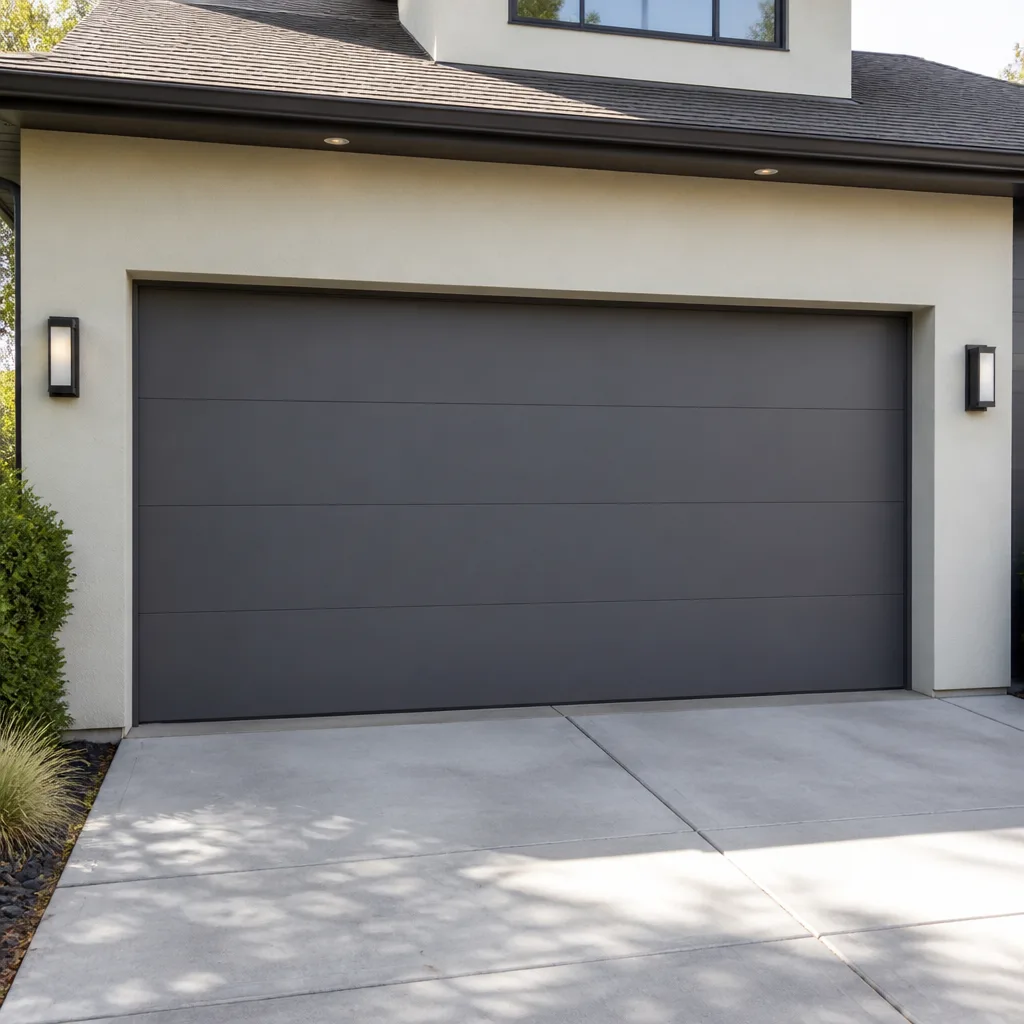 Modern flush
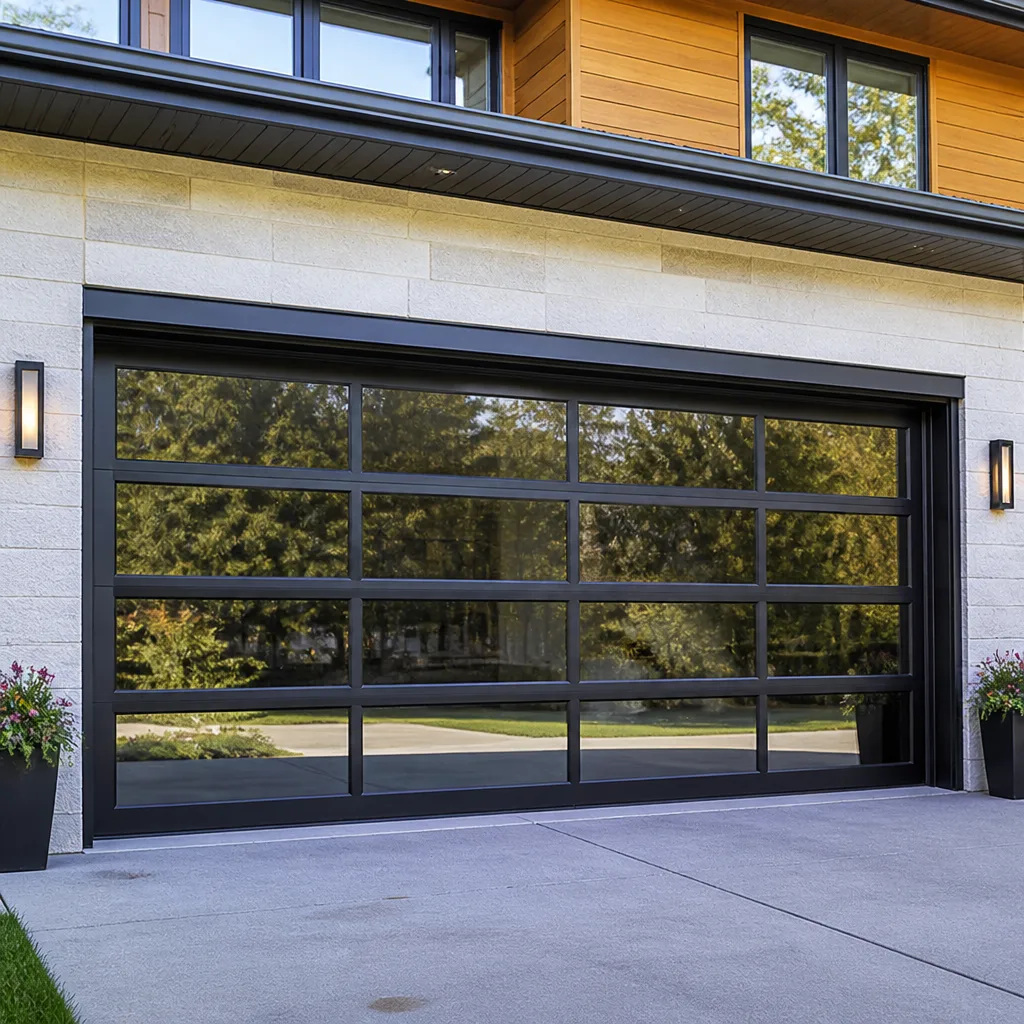 Full-view glass
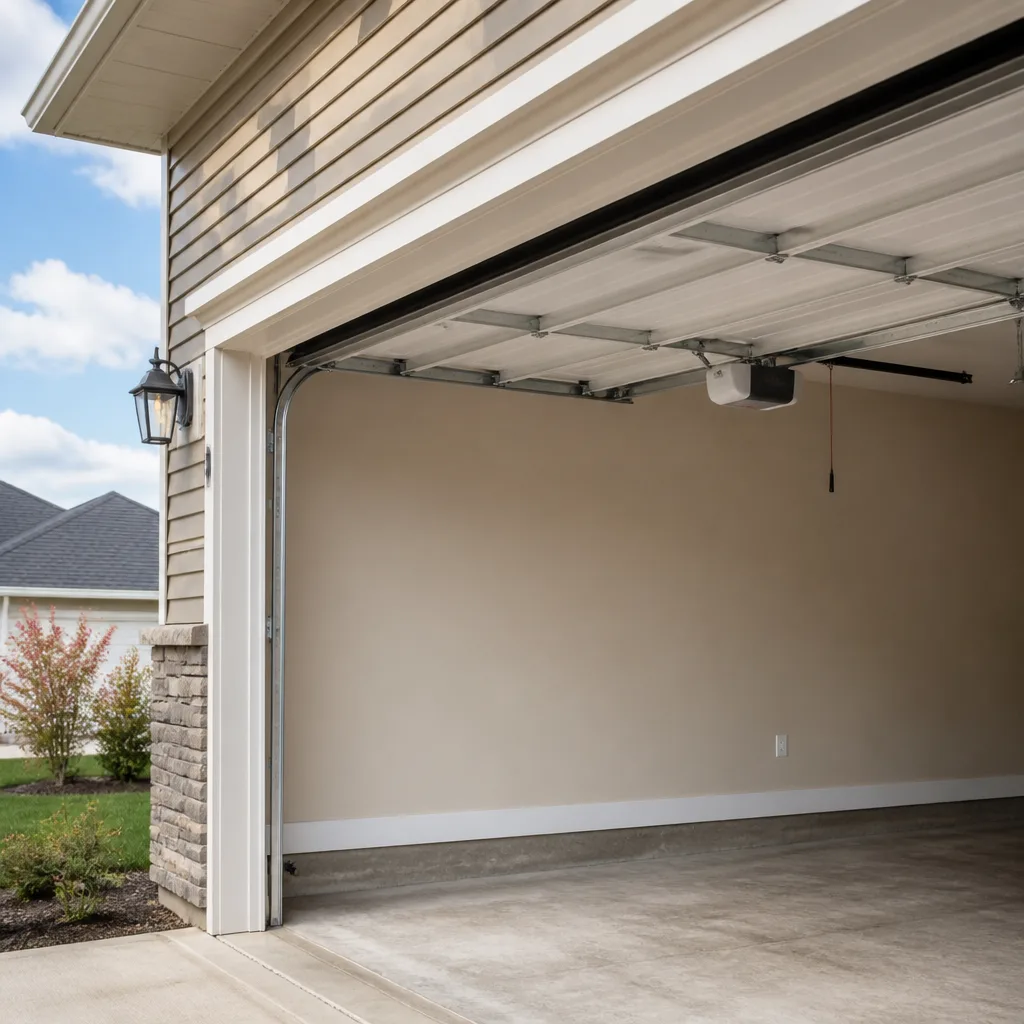 LiftMaster openers
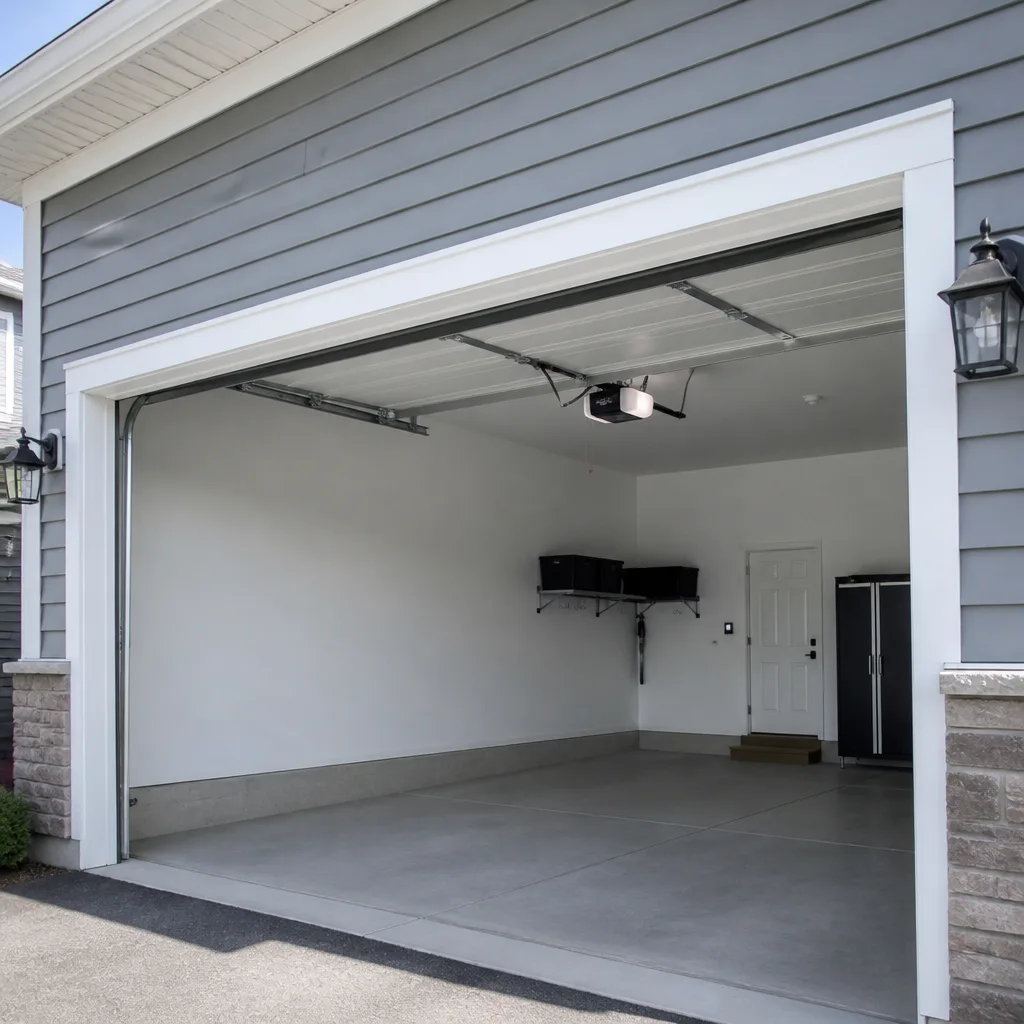 Chamberlain openers
Full 25-point door and opener safety check with every visit - springs, cables, rollers, tracks, and your LiftMaster or Chamberlain opener included
You get a price before we start. It does not change when the pro arrives.
Get your free estimateSeasonal Garage Door Care for Carrick: Year-Round Homeowner’s Guide
Most garage door advice treats maintenance as a single annual chore: lubricate the springs, tighten a few bolts, and forget about it until something breaks. That approach falls apart in Carrick. The same door that swings freely in October can fight you in January, and the panels that fit cleanly in March can bind in the frame by August. Pittsburgh’s four-season swing is hard on garage doors, and each quarter asks for fundamentally different care. This guide walks you through a month-by-month calendar built around how doors actually behave in Carrick, from freeze-cycle stress on extension springs to summer humidity that swells composite panels. You’ll learn what to check, when to check it, and when a job belongs in the hands of a trained technician.
Quick Answer
Seasonal garage door care in Carrick means adjusting your maintenance to match what each season stresses: check and replace the bottom seal before the first freeze, resist forcing a frozen door in winter, inspect hardware after the thaw in spring, and manage humidity and opener travel limits in summer. A month-by-month calendar works better than a single annual tune-up because the threats change with the temperature. Springs, cables, and opener force settings are the three areas to watch most closely in this climate.
Styles & brands we work with
- Raised-panel steel
- Carriage house
- Modern flush
- Full-view glass
- LiftMaster openers
- Chamberlain openers
Table of Contents
- Why Carrick’s Four-Season Swing Demands Different Care Each Quarter
- The Month-by-Month Carrick Garage Door Calendar
- Fall Prep in Carrick: Before the First Freeze
- Winter: Frozen Doors, Cold Springs, and the Danger of Forcing It
- Spring: The Post-Freeze Hardware Inspection Sequence
- Summer: Humidity, Panel Expansion, and Opener Travel Limits
- Common Mistakes to Avoid
- When to Call a Professional
Why Carrick’s Four-Season Swing Demands Different Care Each Quarter
A garage door is a moving system made of metal, wood or composite, rubber, and electronics, and every one of those materials responds to temperature and humidity. Carrick sits in a climate that pushes all of them to both ends of their tolerance in a single year. Summer humidity loosens wood and composite panels. Winter cold contracts metal and stiffens lubricant. Freeze-thaw cycles work on the seal and the floor at the same time. The door that was perfectly balanced in mild weather may strain the opener badly in the extremes.
That’s why the standard “lubricate once a year” advice misses the mark here. The grease that protects a torsion spring in July can stiffen to near-solid in a 15°F cold snap, which increases stress on each coil every time the door cycles. Extension springs, common on older doors in Carrick’s housing stock, are especially vulnerable to snap failures in deep cold. Meanwhile, a door that sat fine all winter can start rubbing its frame in July as panels expand.
We’ll be honest about what this means for homeowners: you can do more than you might think on your own, and you should do some of it, because a $5 tube of lubricant and a five-minute seal check prevent real problems. What you shouldn’t do is touch springs, cables, or anything under tension. Those parts store enough energy to cause serious injury, and we’ll flag that repeatedly below. For the rest, think of this as tuning an instrument to each season, not running a generic checklist.
Start with a Garage Door Repair Carrick safety awareness: know your spring type before you do anything. Torsion springs are the coiled units visible on the shaft above the door when it’s closed, and if you see two, you likely have a matched pair. Extension springs run along the horizontal tracks on either side. If you can’t tell which you have, that’s fine. Note it and move on to the safe tasks.
The Month-by-Month Carrick Garage Door Calendar
A season-by-season reminder is too coarse. Doors in Carrick fail or strain at specific points in the year, and matching your tasks to actual months keeps you ahead of them. Here’s a calendar you can drop into your phone. Set each entry as a recurring reminder and you’ll never be caught mid-season.
- January: Resist forcing a frozen door. Listen for strain from the opener. Test the safety reverse with a block of wood on the floor.
- February: Check extension springs for gaps or stretch marks. Look at the bottom seal for cracks left by the freeze cycle.
- March: Begin the post-freeze hardware inspection. Test roller bearings by hand. Look at hinge pins for wobble.
- April: Lubricate moving parts with a cold-weather-rated lubricant, not heavy grease. Test the opener’s force settings.
- May: Check panel alignment and frame clearance as the weather warms. Confirm the door closes flush.
- June: Adjust openers’ travel limits if the door rubs in the frame. Check the threshold for gaps.
- July: Watch wood and composite panels for swelling. Recheck the bottom seal and weatherstripping.
- August: Test the safety reverse again in humidity. Look for any binding that wasn’t present in spring.
- September: Fall prep begins: check cable tension by eye (never by hand), inspect the seal, and clear the tracks.
- October: Replace the bottom seal before it freezes to the floor. Apply light, cold-rated lubricant. Clear obstructions.
- November: Confirm the door opens smoothly in the cold. Test the opener’s cold-weather response.
- December: Final hardware check before deep winter. Clear ice and debris from the threshold.
Two notes on this calendar. First, several tasks repeat because they need to be done at multiple points in the year, and that’s the point: the door changes, so the checks change. Second, if any task reveals something that looks damaged or strained, stop and call. A wobbling hinge pin in April is a warning; a spring with a visible gap in February means you don’t open that door until it’s looked at.
Fall Prep in Carrick: Before the First Freeze
Fall is the most important prep window in Carrick because it’s the last chance you get before cold locks things in. The goal is to make the door ready for its hardest months. Miss the window and you’re doing repairs in the worst conditions.
The first task is the bottom seal. If your seal is brittle, split, or simply old, replace it now. A worn seal lets cold air in, but worse, it can freeze to the concrete floor and tear free the first time the door lifts. A fresh, flexible seal sits better, breaks contact cleanly, and keeps water from pooling at the threshold. Check it by hand: if it’s stiff, cracked, or won’t spring back when you press it, it’s due.
Next, check the cables by eye, never by hand. You’re looking for fraying, kinks, or slack, but don’t grab them; cables are under heavy tension and can cause serious injury. If something looks off, stop and call a professional. While you’re at the door, clean and lubricate the tracks with a light, cold-rated lubricant. Heavy grease is the wrong choice in Carrick: it stiffens in the cold and adds resistance. Use sparingly, and only on moving parts, never on a garage door’s spring coils.
Finish by clearing ice-prone spots. Remove any debris from the threshold, check the weatherstripping on sides and top, and make sure the door closes all the way without a gap. This is also a good time to book a professional inspection if you’ve noticed any strain in the opener or unusual sounds. Fall is the busiest season for garage door repair, so getting ahead of it in September or early October is practical.
Winter: Frozen Doors, Cold Springs, and the Danger of Forcing It
Never force a frozen garage door open. This is the single most important winter rule in Carrick. When a door freezes to the floor or its tracks, forcing it puts massive strain on the opener motor, the springs, and the cables. An opener pushed to its limit will eventually burn out, and the repair is far costlier than waiting or calling a technician to free the door correctly. If the door won’t lift, stop pressing the button.
The right approach to ice begins near the threshold. Address the cause of the freezing: water pooling, a worn bottom seal, or a low spot in the concrete. Free the door gently with an ice-melt approach that doesn’t involve pouring hot water, which can crack the concrete and warp the seal. Keep ice-melt products away from metal parts that they’ll corrode. If you can’t clear it, call a technician rather than forcing the door.
Cold also changes spring behavior. Extension springs snap most often in January in Pittsburgh, and it’s not only because of age. Lubricant applied in October that’s wrong for the climate can stiffen to near-solid in extreme cold, increasing coil stress every cycle. That’s why we emphasize cold-rated lubricant in fall, and why it’s worth knowing your spring type. Extension springs with visible gaps, stretch marks, or wear are a call-now situation, and we handle garage door opener repair for the motors that fail when doors fight the cold.
While you’re inside all winter, test the safety reverse monthly. Lay a block of wood on the floor in the door’s path and confirm it reverses on contact. And if you notice the opener straining, groaning, or reversing on its own, that’s not the door being difficult; it’s a sign something needs real attention from a trained professional.
Spring: The Post-Freeze Hardware Inspection Sequence
A Pittsburgh winter is hard on hardware, and spring is when the damage shows. The freeze-thaw cycle works on roller bearings and hinge pins the same way it cracks concrete: repeated expansion and contraction, plus moisture that gets in and freezes. Roller bearings that were smooth in September can seize by March, and hinge pins can loosen enough to let a door rack out of alignment.
Work through this inspection sequence with the door closed and the opener off:
- Check the tracks for kinks, dents, or misalignment. Look down their length; they should be straight and parallel.
- Look at roller bearings for wear and check that each roller turns freely by hand (with the opener off and the door closed).
- Inspect hinge pins and plates for rust, wobble, or missing screws.
- Look at spring coils for gaps or stretch marks on extension springs, or suspicious gaps on torsion springs.
- Check the bottom seal again for cracks left by the freeze cycle.
- Test the opener force settings and safety reverse.
If the door binds or runs rough after the winter, don’t ignore it. Small alignment problems in spring become bigger problems when the door runs hot in summer. This is also a good time to check the larger frame, and if you’re considering a change, a garage door installation is scheduled and measured rather than rushed. Our technicians have up to 12 years of experience with the diagnoses these inspections turn up.
Summer: Humidity, Panel Expansion, and Opener Travel Limits
Summer in Carrick brings the opposite problem. Humidity swells wood and composite panels, and a door that fit its frame in March can rub by July. If the panels expand enough, the door binds in the opening, which puts extra strain on the opener and can cause premature wear. This is the most commonly missed seasonal issue, and it’s easy to catch before it becomes a repair.
Wood and composite panels are prone to swelling in humid weather, which is why we recommend keeping the frame and panels aligned and treating any wood surfaces properly. A door made by a well-known manufacturer such as Clopay or Amarr will have specific panel construction and finish details worth knowing if swelling becomes an issue. Sync the door that fits best with the rest of the home’s wood.
As panels expand, the opener’s travel limits may need adjustment. When the door binds in the frame, the opener strains; when travel limits are slightly off, the door can stop short of fully closed or press too hard. Adjusting travel limits is a settings job, not a spring job, but the safer move for anyone unsure is to have a technician check it, especially since force settings and travel limits interact. Too much closing force is a safety risk, not just a wear issue.
Also check weatherstripping and the bottom seal in summer, since both protect against moisture and heat. Our brand coverage including LiftMaster and Chamberlain means we’re familiar with the openers behind the smart and integrated systems many Carrick homes now use. If you’re not sure what your current setup needs, call and we’ll talk through it.
Common Mistakes to Avoid
- Forcing a frozen door open in winter. This is the most expensive mistake in Carrick; it puts enormous strain on the opener and springs and can turn a five-minute delay into a motor replacement.
- Using heavy grease in cold weather. Oil and grease that are too thick stiffen in low temperatures and increase stress on the whole system. Use light, cold-rated lubricant.
- Ignoring the bottom seal. A worn seal lets water pool and freezes to the floor, which is exactly the situation that makes a door stick at the worst time.
- Tightening bolts and springs “just to be safe”. Springs and cables are under heavy tension and can cause serious injury. Leave them to a trained technician.
- Assuming the door doesn’t need checkups in summer. Humidity fits doors with panel expansion and causes binding that many homeowners misread as an opener failure.
- Ignoring small alignment issues after winter. A door that runs slightly out of square in March will bind harder in summer, and small problems get expensive when ignored.
- Adjusting force settings blindly. Stronger force can hide a binding door but creates a safety hazard. Check the cause rather than pushing the setting up.
When to Call a Professional
Some situations call for a trained technician, and it’s not a long list. Call us if a spring is visibly damaged, stretched, or open, if a cable is frayed or slack, or if the door is stuck and won’t move safely. Call if the opener strains, reverses unexpectedly, or makes grinding noises. Call if the door binds in the frame during summer or winter, or if the safety reverse stops working. Finally, call if you’re unsure about anything involving springs or cables; they’re the highest-risk parts on the door and can cause serious injury.
We handle spring repair as a dedicated service, because it’s one of the most hazardous garage door jobs and needs the right tools and experience. We also stock and supply garage door parts, so common repairs don’t stall on a part order. Garage Door Repair Carrick offers free estimates in Carrick. Call (833) 508-9951. We answer 24/7. Fast dispatch from 7am to 7pm, Sunday through Friday.
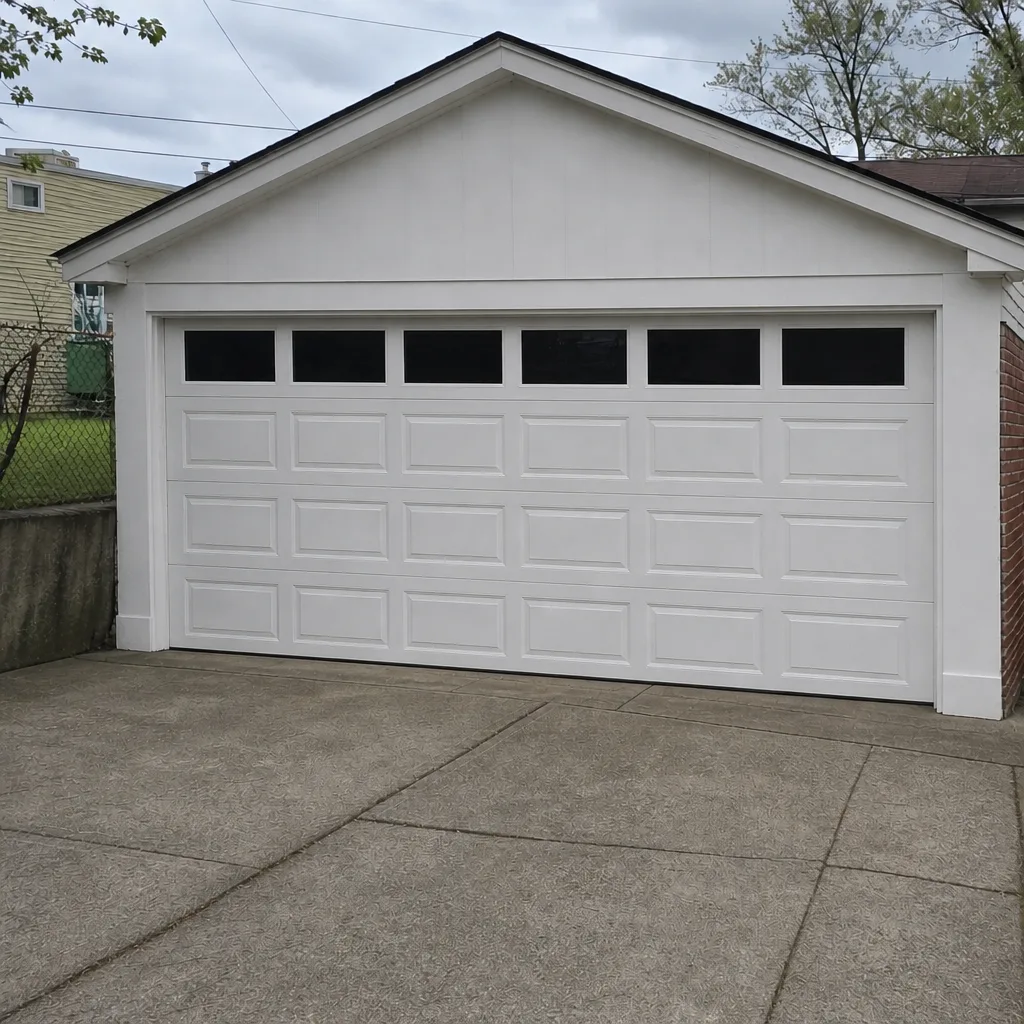
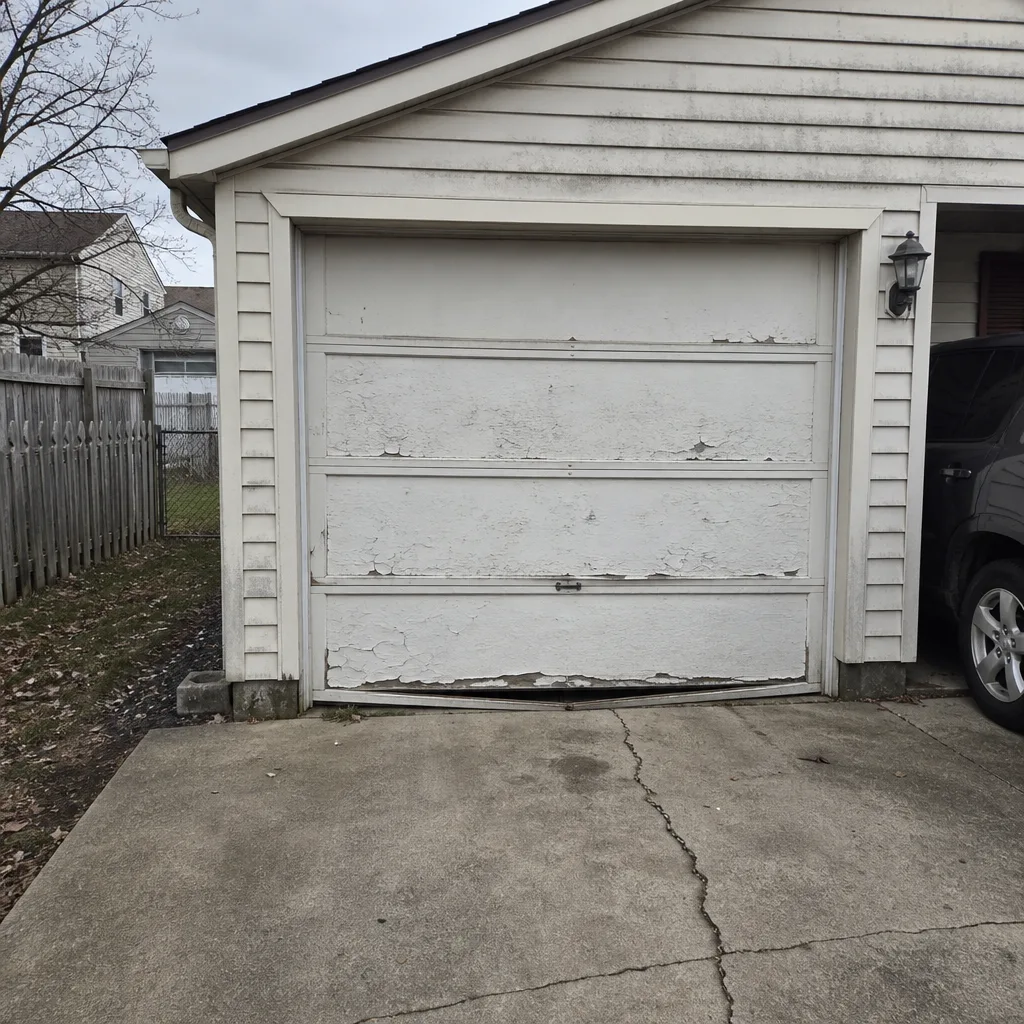
See the difference
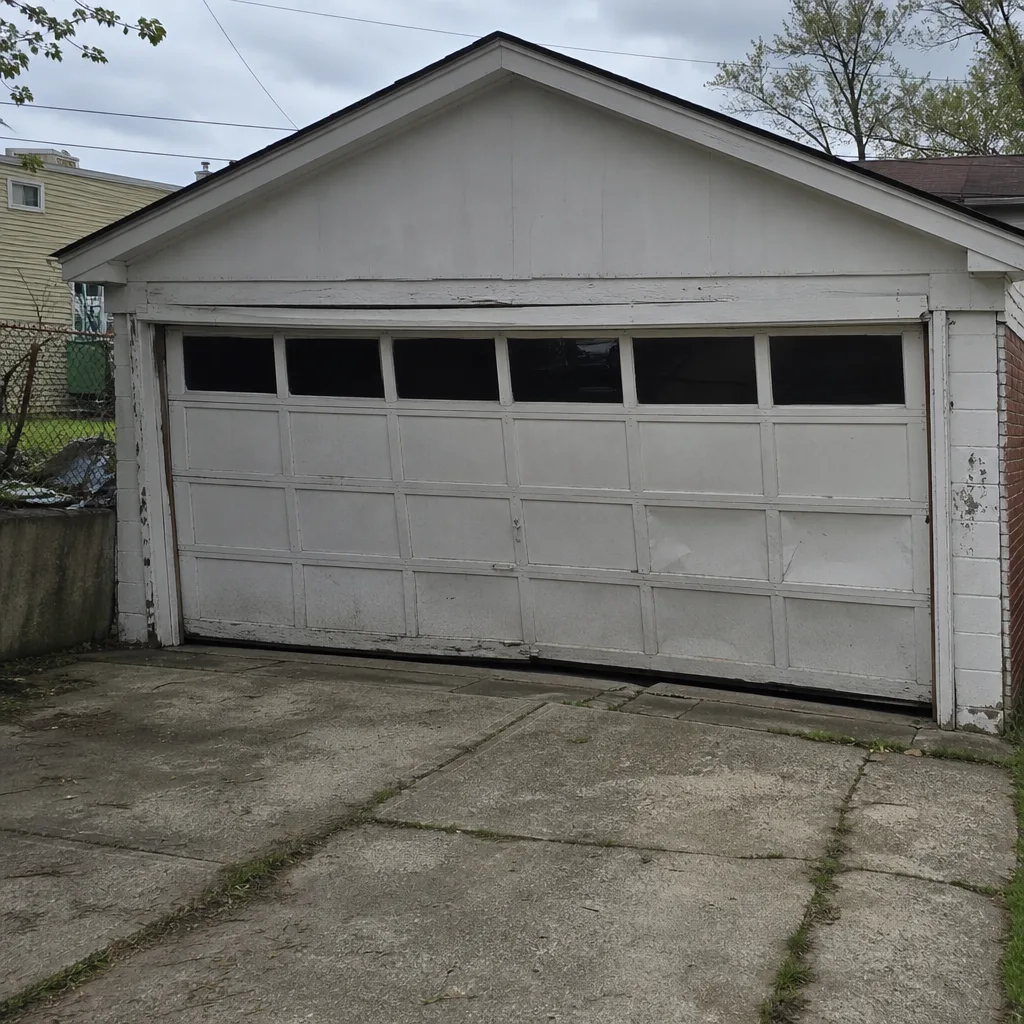 Before
 After
 Before
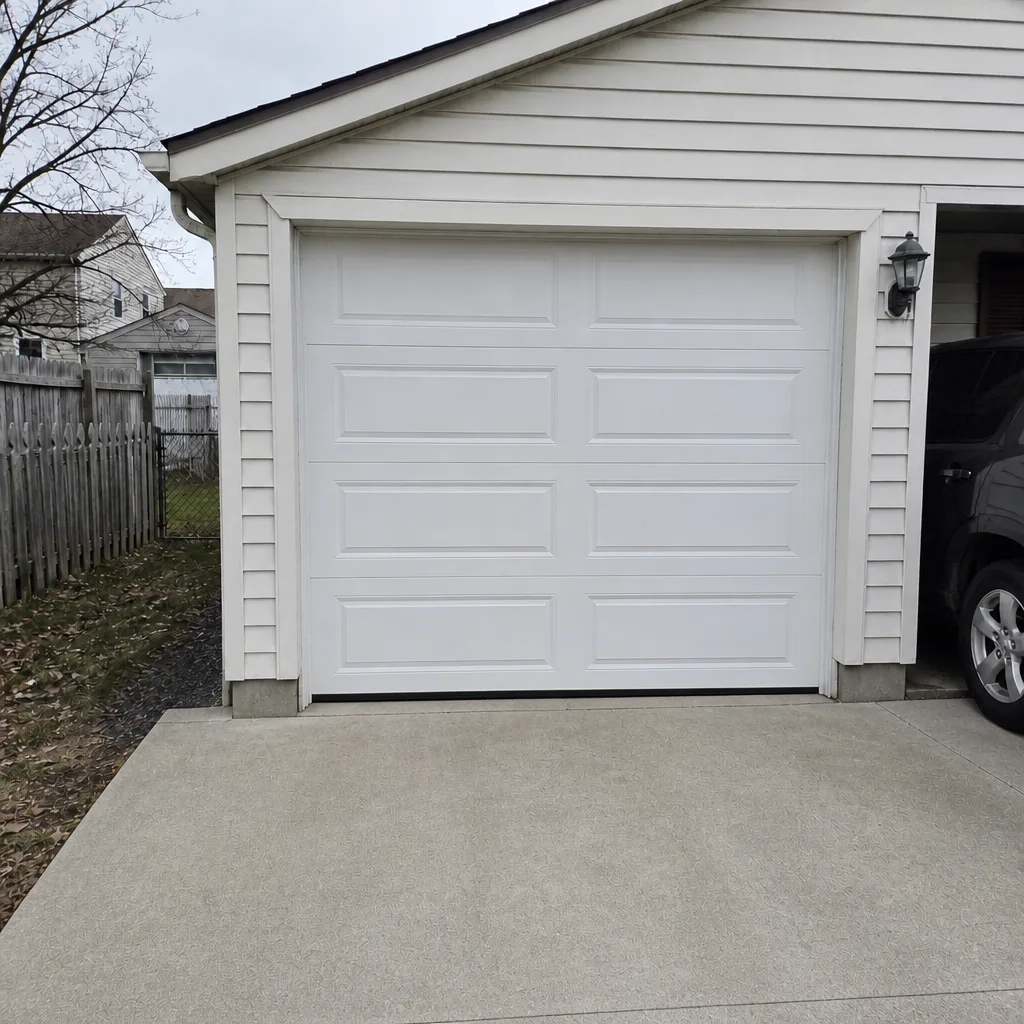 After
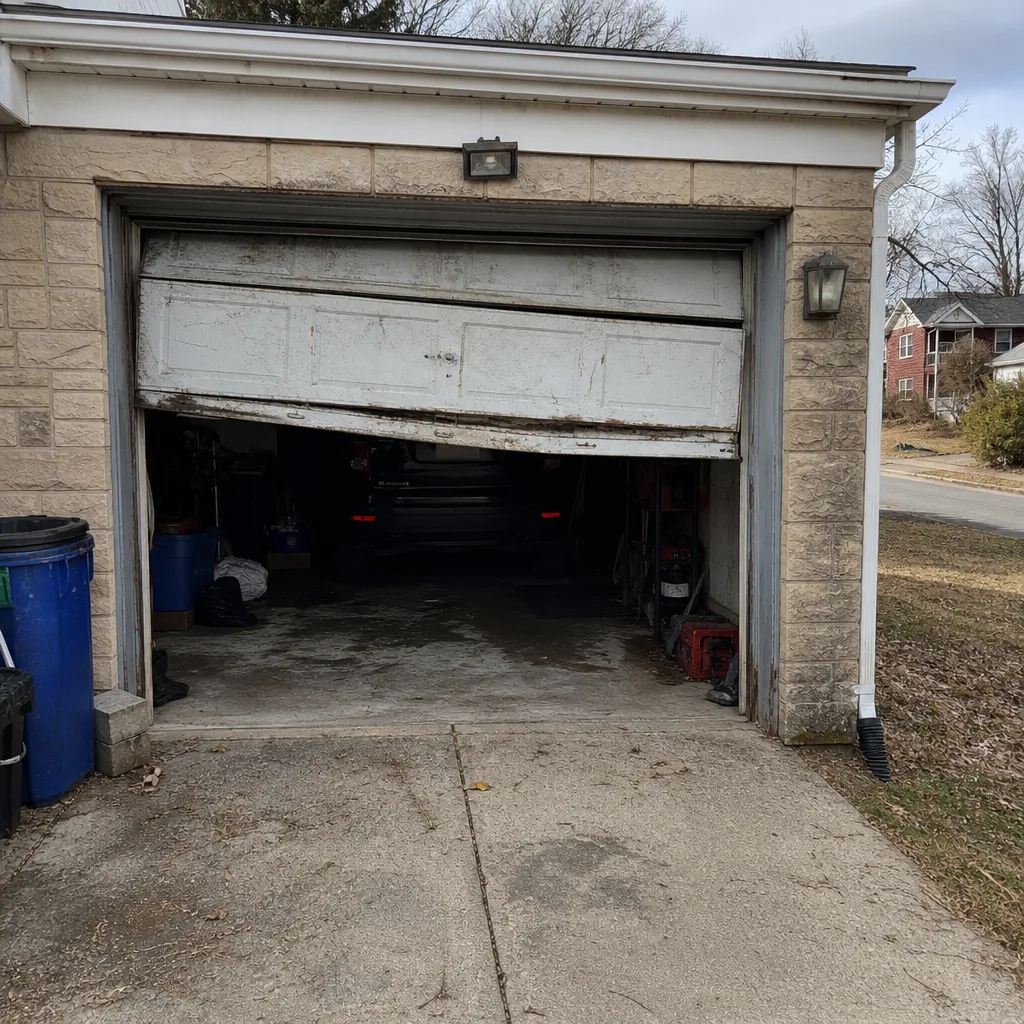 Before
 After
Frequently Asked Questions
It’s best to inspect your garage door at least once each season, with a fuller check in fall and spring, because Carrick’s temperature swings stress the door differently throughout the year. A monthly safety-reverse test takes seconds and catches opener issues early. Most homeowners find the month-by-month calendar above easier to follow than a single annual appointment.
Cold weather is harder on springs because metal contracts and lubricant thickens, which increases stress on the coils with every cycle. That’s why we recommend light, cold-rated lubricant in fall rather than heavy grease. If you can see gaps or stretch marks in extension springs, don’t cycle the door; call us instead.
You can clear ice near the threshold gently, but never force a frozen door open, since that can burn out the opener and damage springs and cables. Address the cause, like a worn seal or pooling water. If the door won’t free safely, call us and we’ll handle it. Try (833) 508-9951.
It’s common, but not something to ignore. Humidity swells wood and composite panels, and as they expand the door can bind in the frame. Often the fix is adjusting the opener’s travel limits and checking alignment, but a binding door also strains the opener. If it doesn’t resolve easily, call us.
Very likely, yes. We’re fluent across most major garage door systems, including LiftMaster, Chamberlain, Genie, Clopay, Amarr, Wayne Dalton, Craftsman, and Raynor. Tell us what you have and we’ll confirm, so we can diagnose it correctly instead of guessing. Call (833) 508-9951.
Most door problems are repairs, not replacements. A single panel, a spring, or an opener component can usually be repaired, with the written estimate confirming what’s involved. Replacement is the right answer mostly when the door is structurally failing or you’re ready to upgrade.
The Bottom Line
Maintaining a garage door in Carrick means matching your care to each part of the year, not running a single yearly checklist. Colder months stress springs, cables, and openers, while humid months stress panels and seals. Fall prep, winter caution about frozen doors, a spring hardware inspection, and summer attention to expansion and travel limits cover the main risks. Never force a frozen door and always leave springs and cables to a trained professional. The rest you can handle yourself, and if you’re not sure about something, call (833) 508-9951 for a free estimate.
Written by the team at Garage Door Repair Carrick.