
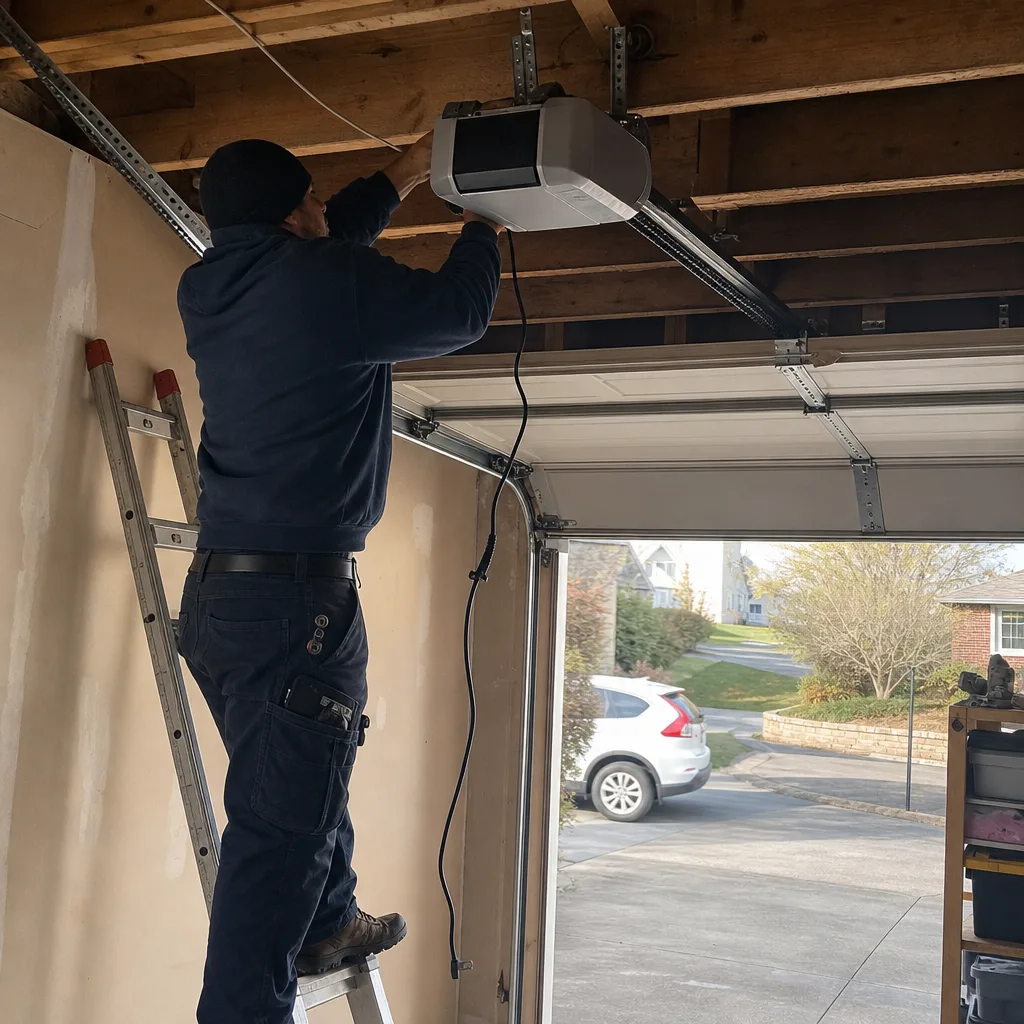
Last updated November 21, 2026
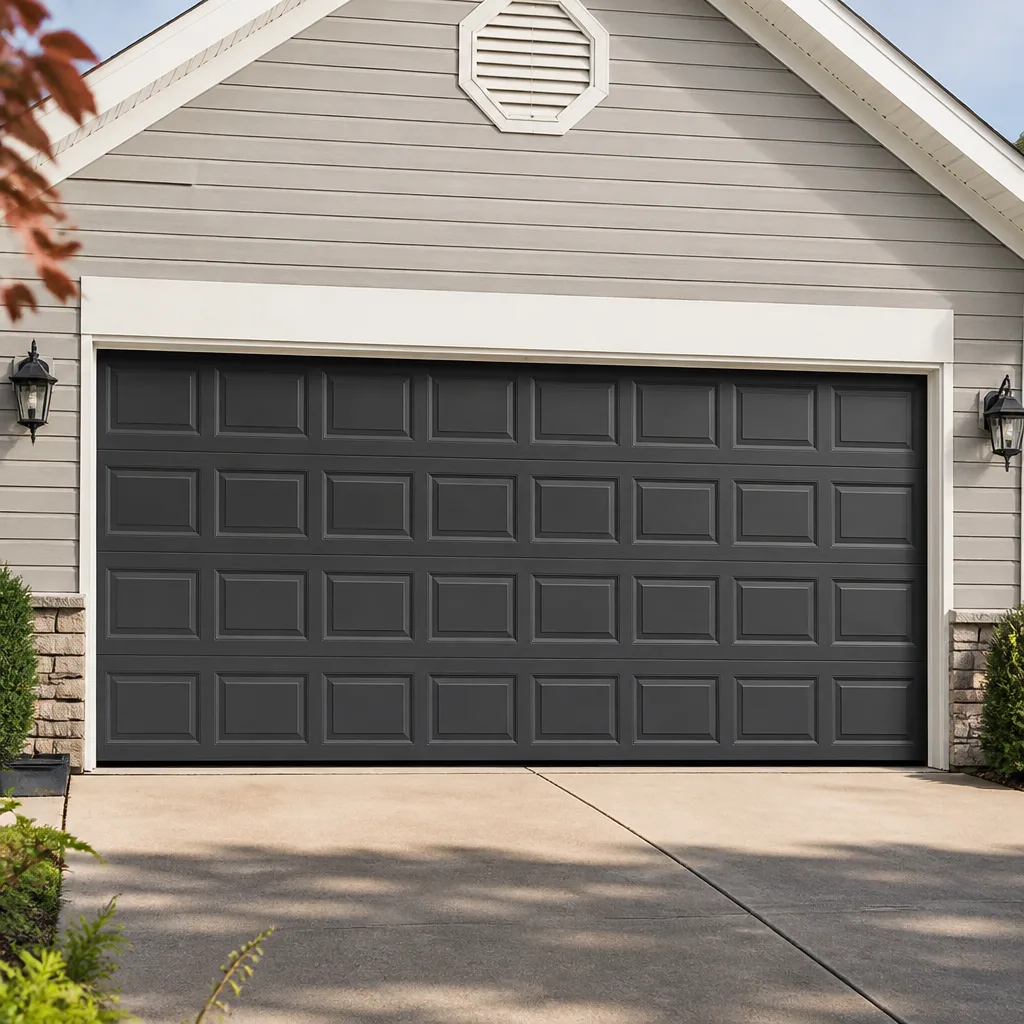 Raised-panel steel
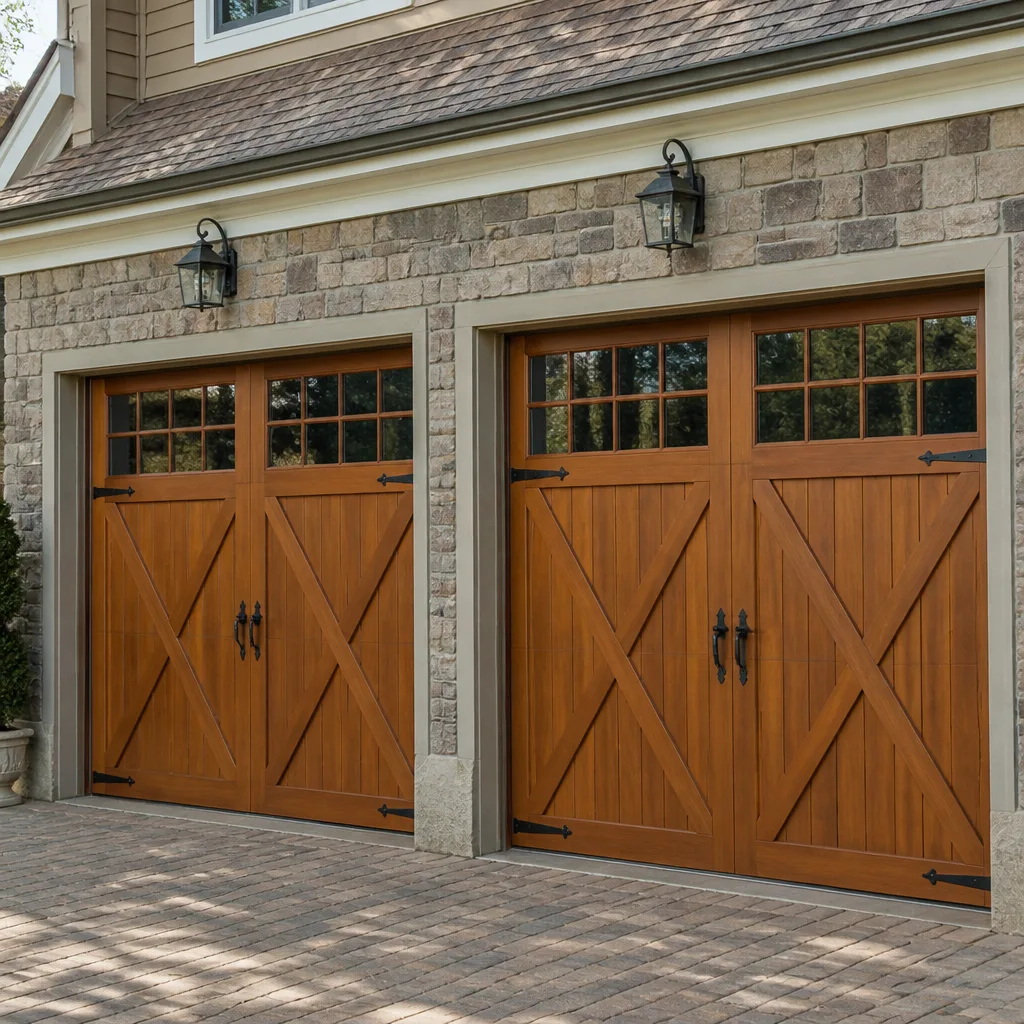 Carriage house
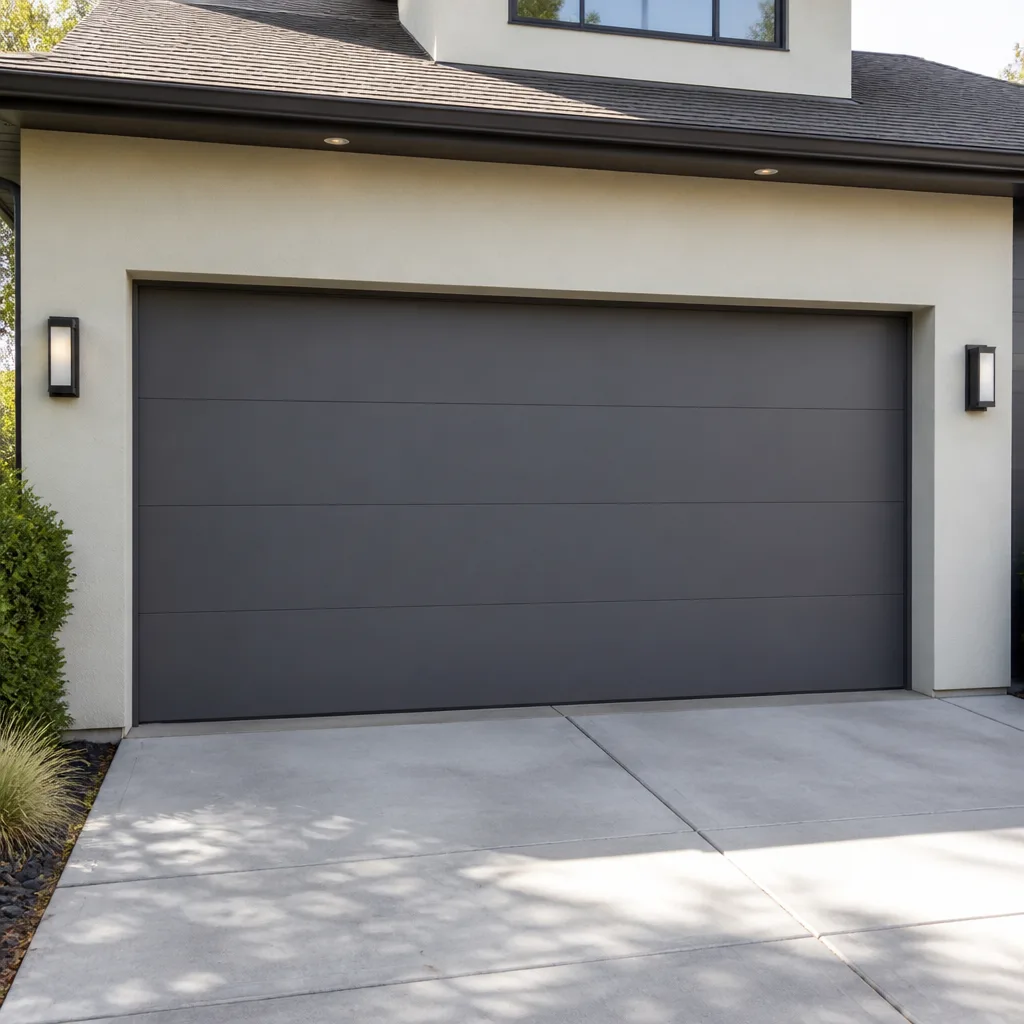 Modern flush
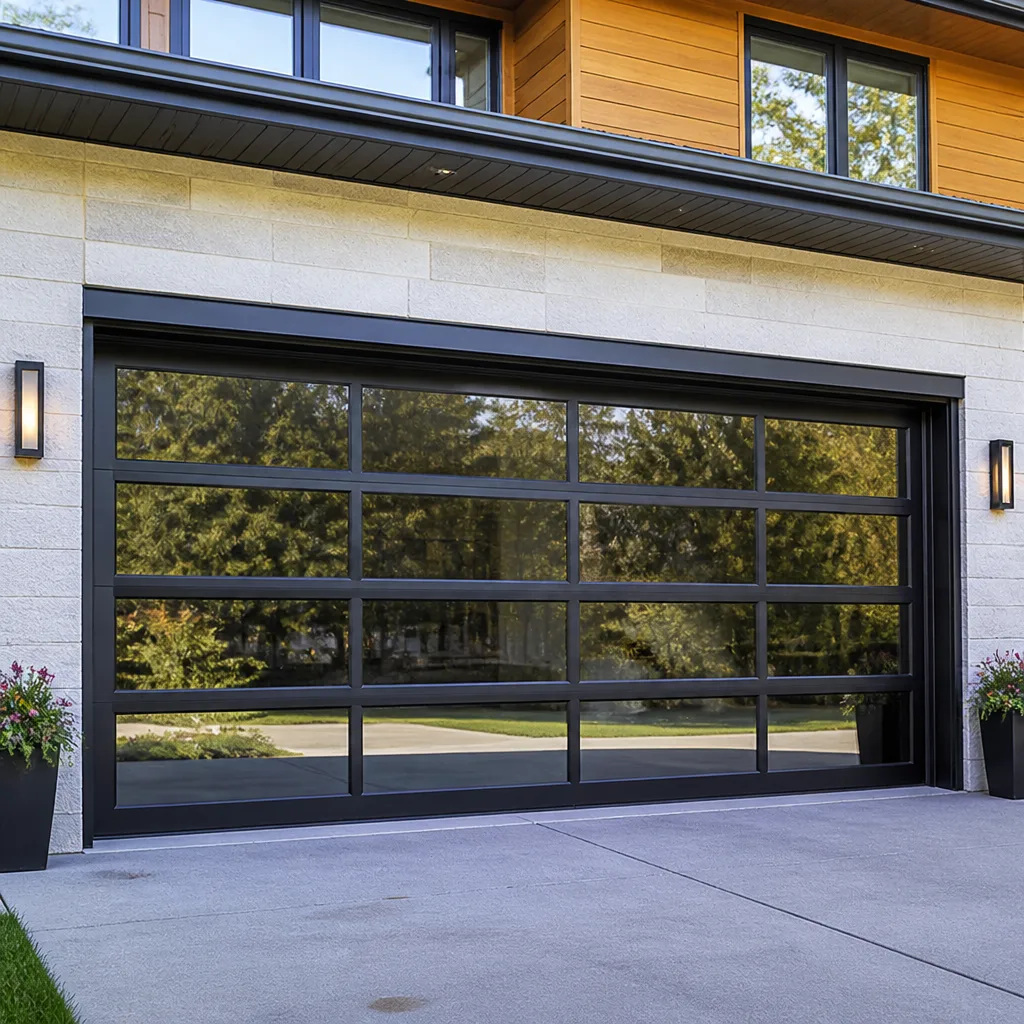 Full-view glass
 LiftMaster openers
 Chamberlain openers
Full 25-point door and opener safety check with every visit - springs, cables, rollers, tracks, and your LiftMaster or Chamberlain opener included
You get a price before we start. It does not change when the pro arrives.
Get your free estimateGarage Door Warning Signs: A Carrick Homeowner’s Reference Guide
A door that suddenly won’t open is the warning sign everyone notices. The signs that actually save you money and hassle show up two to four weeks earlier, and they’re quiet: a door that opens a beat slower than it did last season, a rattle that wasn’t there in spring, a garage light that flickers when the opener kicks on. Most homeowners in Carrick file those under “it’s just getting older” until the door strands a car in the driveway on a cold morning. This guide gives you the same diagnostic framework our technicians use – how to measure slow operation, what each sound points to, and which signs mean watch-and-monitor versus stop-using-the-door-right-now.
Quick Answer
Most garage door failures announce themselves two to four weeks ahead through subtle signals: a door that takes noticeably longer to open than it used to, new grinding or popping sounds, fraying at the cable ends, and an opener that reverses or loses its travel limits. Any sign of a worn spring, a fraying cable, or a door that drops on its own is a stop-using-the-door signal – those components store dangerous tension and need a trained professional.
Styles & brands we work with
- Raised-panel steel
- Carriage house
- Modern flush
- Full-view glass
- LiftMaster openers
- Chamberlain openers
Table of Contents
- The Stopwatch Test: Quantifying a “Slow” Door
- The Sound Taxonomy: What Each Noise Points To
- How to Read Your Cables Before One Snaps
- Your Opener as a Diagnostic Tool
- The Risk-Tier Framework: Watch, Call, Stop
- Why Warning Signs Show Up Differently in Carrick
- Brand-Specific Quirks Worth Knowing
- Common Mistakes to Avoid
The Stopwatch Test: Quantifying a “Slow” Door
Here’s the counterintuitive part: a door that takes 1.5 seconds longer to open than it did six months ago isn’t just getting older. That extra time is a measurable reading of a specific mechanical change, and it tells you which part is losing its edge before the door stops working entirely. Feel lies – stopwatch doesn’t.
How the stopwatch test works
- Time a full open cycle from the moment the door starts moving to the moment it stops. A phone stopwatch is plenty.
- Do the same on the close cycle, then write both numbers somewhere you’ll find them – a note on the garage wall works.
- Repeat once a month. You’re not looking for a target number; you’re looking for change against your own baseline.
What the seconds mean
- 0.5-1 second slower, both directions, over a few months: Usually friction – dry rollers, dry hinges, or a track that’s drifted slightly out of alignment. A lubrication and adjustment visit usually handles it.
- 1-2 seconds slower on the open cycle only: Points at the spring. Torsion and extension springs lose tension gradually, and a tired spring makes the opener work harder to lift the same door. Left alone, this is the classic path to a snapped spring.
- 1-2 seconds slower on the close cycle only: Points at the opener’s down-force or travel settings, often paired with a door that hesitates or reverses near the floor.
- Jerky speed, fast then slow: Binding. Something is catching – a bent track, a worn roller, a panel out of square.
If your measurements are drifting and the door opens fine today, that’s the window. It’s a scheduling question, not a lockout. Every repair visit starts with a free written estimate, so you know the price before anyone touches a spring or a track. Our technicians have up to 12 years of experience reading exactly this kind of pattern across Garage Door Repair Carrick neighborhoods.
The Sound Taxonomy: What Each Noise Points To
Garage doors talk. The trick is knowing which word they’re saying, because “get it checked” isn’t advice – grinding, squealing, popping, and rattling each come from a different root cause. Match the sound to the cause and you’ll know whether to book a repair or grab a can of lubricant.
Grinding
Metal-on-metal grinding is usually a roller that’s stopped rolling and started dragging, or a torsion spring rubbing against its shaft. It’s the most common noise our technicians diagnose in Carrick, and it’s almost always cheap to fix if it’s caught before the worn roller chews into the track.
Squealing
A high, steady squeal is friction speaking: dry hinges, dry rollers, or a torsion tube that needs lubrication. This one usually earns a maintenance fix rather than a parts replacement. If you can’t remember the last time the hinges were oiled, start there and see if the noise goes.
Popping
A sharp pop – often followed by the door dropping an inch or refusing to lift – is a spring problem, and occasionally a cable that’s slipped its drum. Stop using the door and call. Popping is the sound the warning-sign framework was built for: you get a free pass two to four weeks before it fails completely.
Rattling
Loose bolts and hinges account for most rattling, and a door that’s rattled for months without tightening is a door where things are slowly working loose. If it comes with a wobble, the problem is looser than a screw – something in the hardware is worn.
Banging or slamming
A door that bangs the floor on close is over-traveling. The opener needs its limits reset, or the down-travel mechanism has slipped. Usually a quick adjustment, but left alone it loosens panels and stresses the whole assembly.
How to Read Your Cables Before One Snaps
A frayed cable is the quiet killer of garage door safety. Cables and springs hold the door’s entire weight under tension, and a cable that fails under load whips free – this is not a repair to attempt yourself. But you can inspect without touching. Look, don’t pull.
What normal wear looks like
- Evenly wound cables with no exposed wire strands.
- A neat, tight wrap around the drum.
- Cables that sit flat in the drum groove.
What “about to snap” looks like
- Fraying at the drum end: the cable is being pulled unevenly, often caused by a drum that’s starting to wear.
- Fraying in the middle of the run: usually a rolled or misaligned drum, or a door that’s been running crooked.
- Fraying at the bottom bracket: tension imbalance between the two sides.
- A cable that’s visibly slack when the door is closed.
- Crossed or overlapping winding on the drum.
Where the fraying lives tells you which component caused it. A cable that’s fraying near the bracket doesn’t need a new cable alone – the bracket, drum, or spring tension on that side is the actual problem. That’s the “no-guesswork diagnosis” difference: treat the cable, and you’re back in two months. That’s why cable work sits inside our garage door repair service. We fix the cause, not just the loud part.
Your Opener as a Diagnostic Tool
Your opener isn’t just the thing that lifts the door – it’s a sensor that reports the door’s condition back to you. When a LiftMaster, Chamberlain, or Genie unit behaves oddly, it’s rarely the opener failing. It’s the opener telling you the door is getting harder to move.
What each behavior means
- Reverses for no clear reason: The door is binding somewhere, or the safety sensors are misaligned. If it reverses mid-travel, the opener is feeling resistance and interpreting it as an obstruction.
- Won’t hold its limit settings: The opener keeps trying to relearn where the floor is. That’s usually a worn spring or a door that’s drifting on its track – the opener can’t find the bottom because the door doesn’t reach it consistently.
- Blinking lights, no movement: Almost always a sensor issue or a lock-out, not a motor failure.
- Runs but the door doesn’t move: Broken spring, stripped gears, or a snapped cable. The opener’s rotating but the power transfer has gone.
- Only opens halfway then quits: Overload protection kicking in, which is the opener’s way of telling you the door has gotten heavier.
If your unit is old enough that parts are getting scarce – a Craftsman from the 2000s, a Wayne Dalton that shipped with a nonstandard spring setup – brand fluency and parts access make the difference between a repair and a forced replacement. Those diagnoses get handled as garage door opener repair, not as an excuse to sell a whole new system. If the opener is fine and the door is the problem, our garage door installation team can advise on replacement when a repair genuinely won’t hold. We work on your brand, so you don’t need to replace a working opener to solve a door problem.
The Risk-Tier Framework: Watch, Call, Stop
Not every warning sign is equal. This is the single most useful thing to internalize: sort the sign into one of three tiers, act accordingly, and you’ll never overreact to a squeaky hinge or underreact to a failing spring.
Tier 1: Watch and Monitor
- Occasional squeak or groan
- Loose hardware that tightens up easily
- Condensation on the inside of the door in wet weather
- One or two weather-strip gaps
- Your stopwatch test drifting by less than a second
These are maintenance items. Note them, and address them on your next visit – before they climb tiers.
Tier 2: Book a Repair Soon
- The stopwatch drifts by more than 1-2 seconds
- Grinding or popping that wasn’t there a month ago
- Opener reversing or losing its limits
- Door slamming on close or drifting off the tracks
- A cable that’s visibly fraying
- Door won’t stay level – one side hangs lower
These are the sweet spot of the whole guide. You’ve got a window of a few weeks. Book it, and the job doesn’t become an emergency.
Tier 3: Stop Using the Door
- Spring broken (a visible gap in a torsion spring, or an extension spring that’s fully extended)
- Cable snapped or about to snap
- Door comes down on its own, or slams harder than normal
- The door only moves when you help it, manually
- Tracks bent far enough that the door can derail
Structural failure under stored tension. Don’t test, don’t self-fix, don’t stand under the door. Call (833) 508-9951. We answer 24/7. Fast dispatch from 7am to 7pm, Sunday through Friday, and a trained technician will make it safe before anyone quotes a repair. A call outside dispatch hours is booked into the next opening.
Why Warning Signs Show Up Differently in Carrick
Carrick’s four-season swing is harder on garage doors than most homeowners expect. Summer heat and humidity help metal expand and wood swell. Then the first cold snap shrinks everything, and a door that felt fine in September suddenly sounds like it’s grinding through gravel in November. The path to a broken spring runs through that first cold month.
Cold-weather clues to watch
- Springs get brittle. Steel tension drops as temperature falls, so a spring working at its limits in July is working past them in January. This is when most spring failures land.
- Weather-stripping hardens. A strip that flexed smoothly in summer can crack and let in drafts once the frost hits.
- Tracks drift. Frost heave and freeze-thaw cycles nudge the mounting points. If your door starts scraping at the sides, the floor plate or track has shifted.
Summer clues to watch
- Expansion and binding. Painted wood panels that swell in humidity bind against the jambs. You’ll hear a scratch or see the door labor on the first foot of travel.
- Lubrication dries out. Rollers and hinges that acted fine all spring start squealing once the heat hits. That’s your reminder, not a sign of failure.
Carrick’s stock of homes spans decades, from mid-century builds to newer construction over in the ridge neighborhoods. Each age brings its own warning signs – older Wayne Dalton and Raynor doors tend to show spring fatigue and cable wear first, while newer builds with Amarr and Clopay doors tend to show opener sensor and limit problems as the first clue. Knowing which era of door sits on your house shortens the diagnostic path.
Brand-Specific Quirks Worth Knowing
We work on your brand, which means we’ve learned each manufacturer’s habits. A few worth knowing as a homeowner:
LiftMaster and Chamberlain (and their Craftsman ancestry)
LiftMaster and Chamberlain share engineering DNA, and older Craftsman units follow the same architecture in many cases. If your opener reverses or loses limits, it’s usually a sensor or a spring telling you the door’s heavy – not the opener failing. These units are also the ones most likely to have smart-home integration, which is why limit and sensor diagnostics matter more than replacing the motor.
Genie
Genie openers often report travel-limit problems through blinking codes rather than visible behaviors. If your Genie door stops partway through a cycle, the fix may simply be a reprogram, but only after we’ve verified the door itself isn’t binding.
Amarr and Clopay
These doors hold up well, but their panel count and drum-and-cable setups vary widely by model. When a cable fails on an Amarr or Clopay door, matching the correct drum and cable length matters more than the brand – a wrong fit causes the same fraying within months.
Raynor and Wayne Dalton
Raynor and Wayne Dalton systems sometimes use nonstandard spring and hardware configurations. That’s where parts availability matters: if you can’t source the exact spring or drum, the door may get “fixed” into a permanent warning sign. We keep parts supplied, which typically shortens the delay on these repairs.
Common Mistakes to Avoid
- Ignoring the slow-door drift. A door that takes longer to open is a warning, not personality. Waiting for it to fail turns a spring replacement into a broken-door lockout.
- Greasing without diagnosing. Lubricant hides friction, but it doesn’t fix a worn roller, a bent track, or a cable that’s fraying. Over-lubricating also attracts grime, which makes the next diagnosis harder.
- Assuming a “hard door” means a dead opener. In most cases the opener’s fine and the door is heavy. Replacing the opener first is the most expensive way to skip the diagnosis.
- Testing a broken spring by hand. Springs hold very high tension, and a broken coil can whip. Never manually try to lift a door with a broken or suspect spring.
- Putting off a visible cable fray. Fraying means the cable is already giving way. Waiting for the snap can damage the door and pose a real injury risk.
- Using a general handyman. Spring work is the most hazardous job in this trade. A weather-stripping swap is a handyman job; a spring failure is not.
- Panel repairs disguised as full replacements. A damaged panel on an Amarr, Clopay, or Raynor door doesn’t always mean a new door – start with the panel. That’s the same-door-fixed-right conversation.
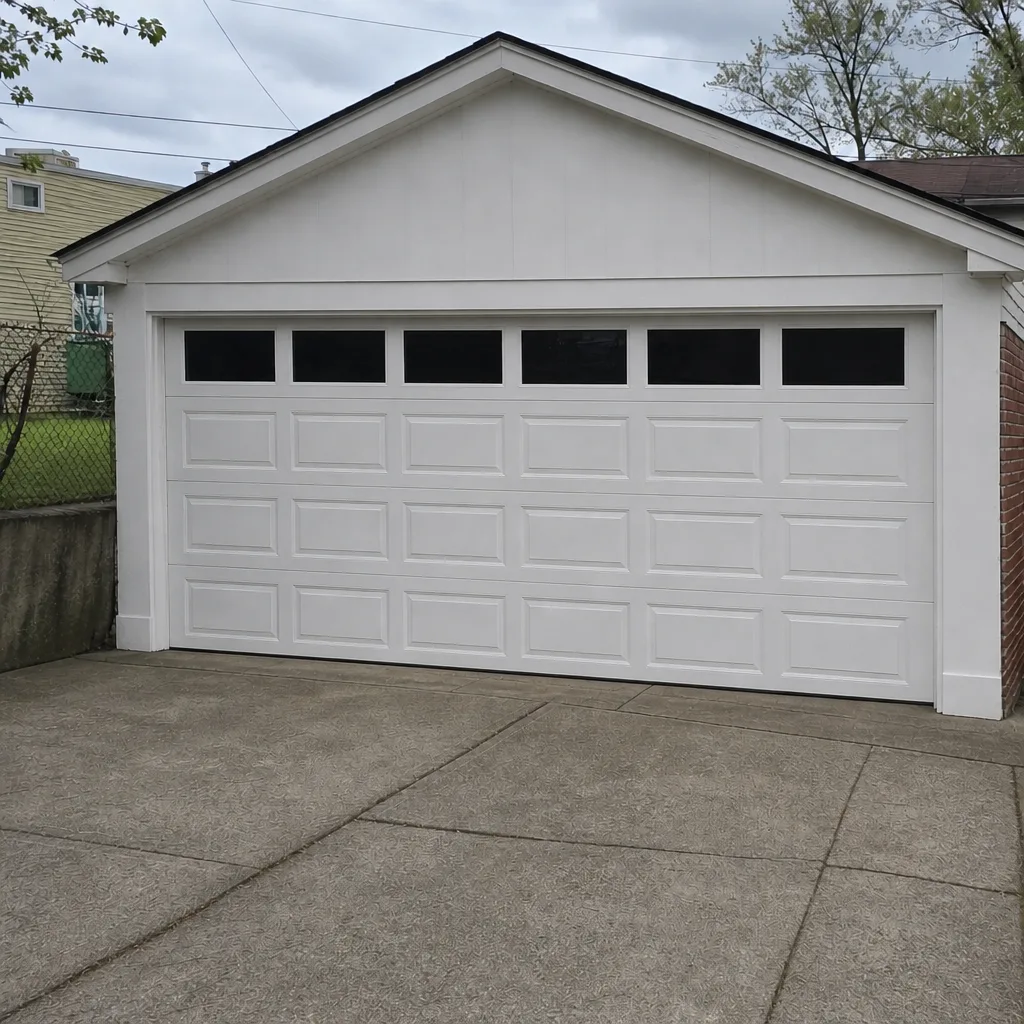
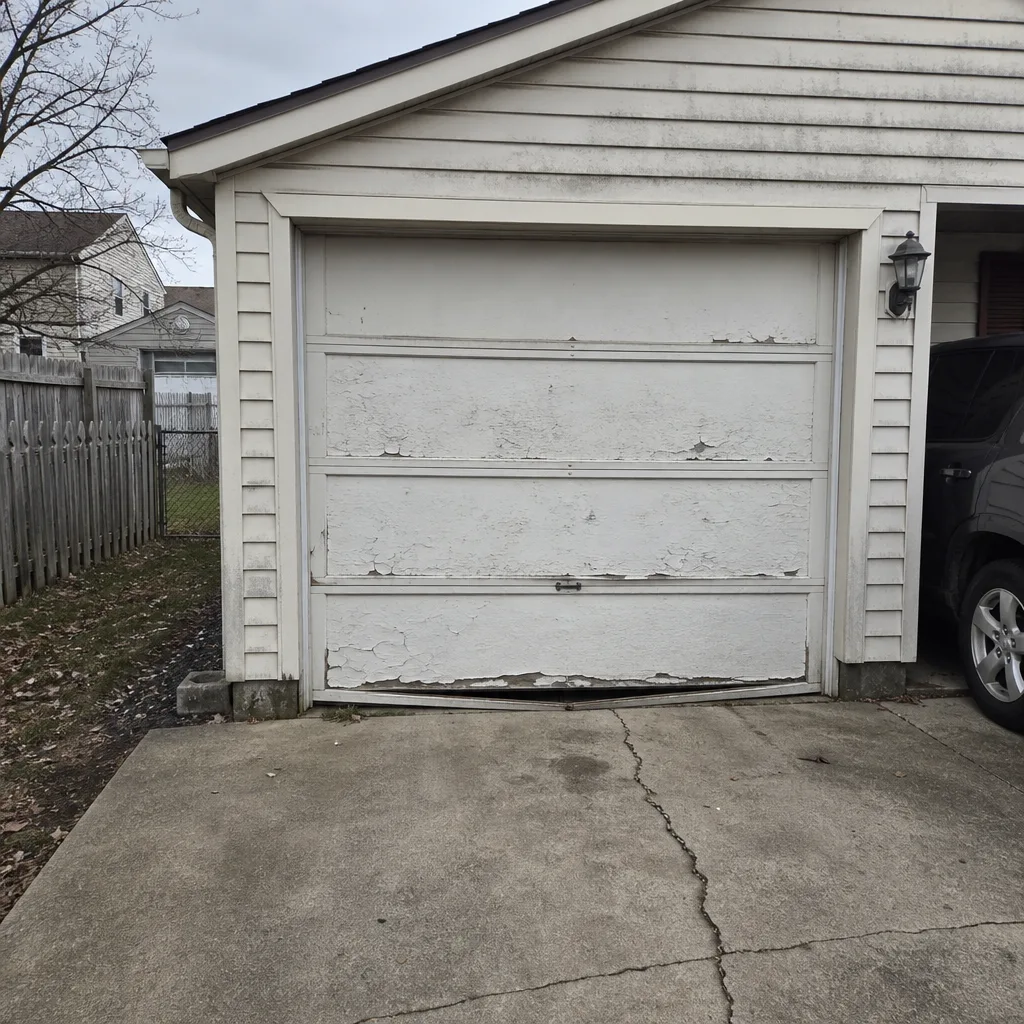
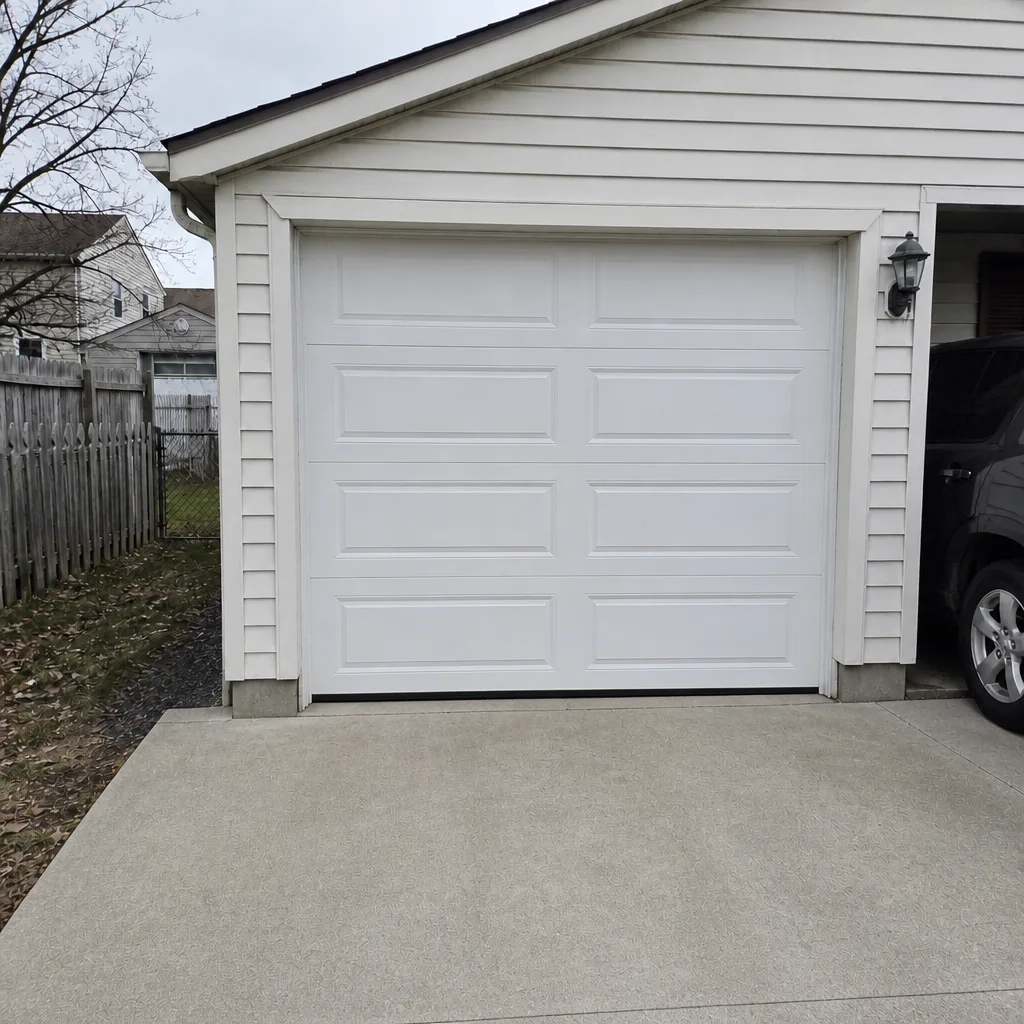
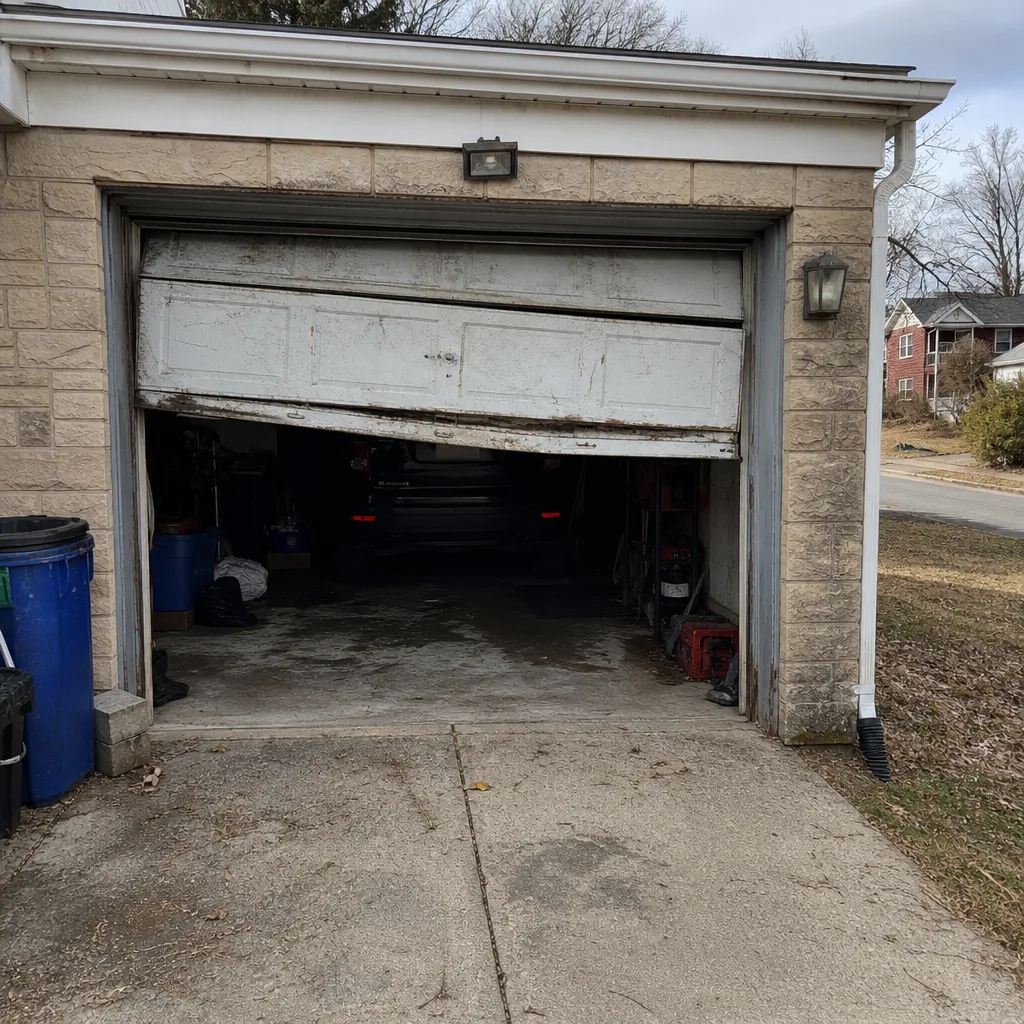
See the difference
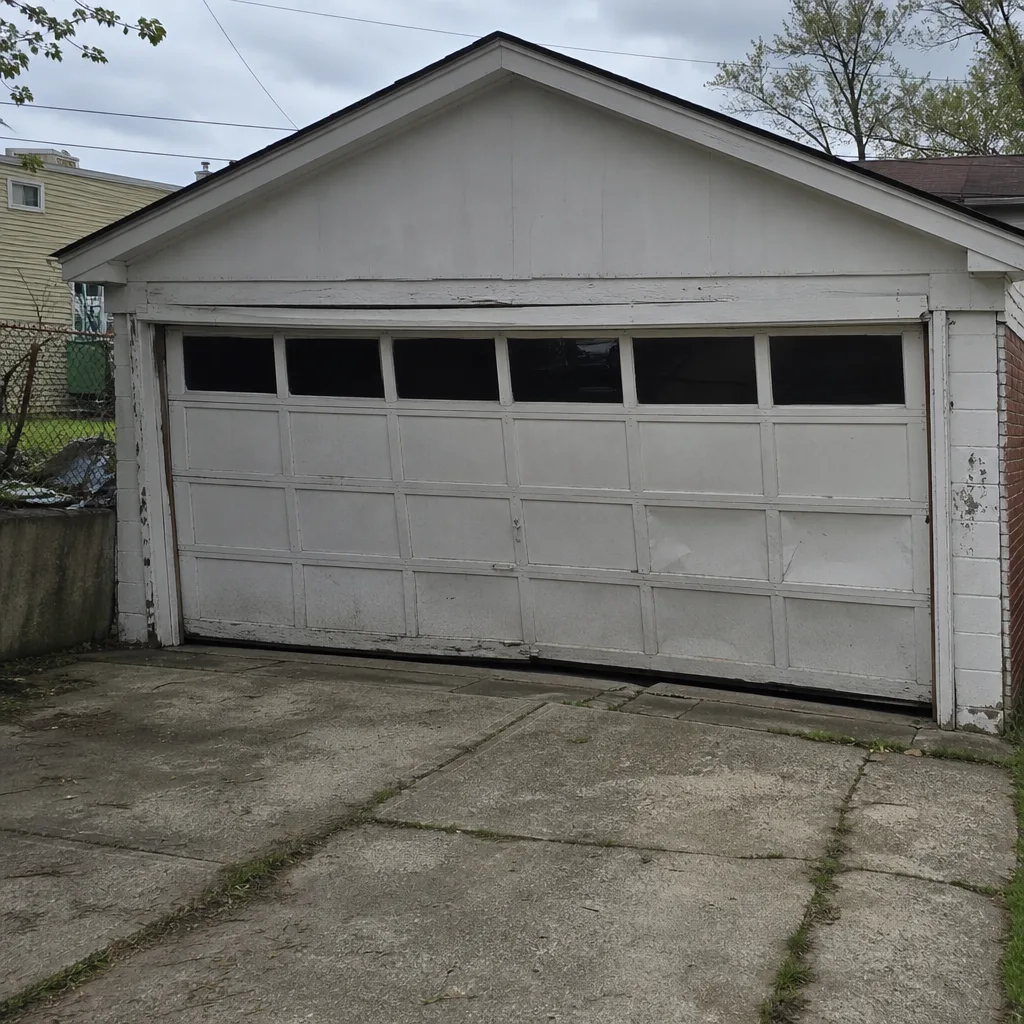 Before
 After
 Before
 After
 Before
 After
When to Call a Professional
Call a trained technician whenever the door’s weight or stored tension is involved: a suspected broken spring, a cable showing fray or slack, a door that drops on its own, a door you can’t move by hand, or a door that comes off the tracks. Those are the cases where DIY is a real hazard, and where a proper diagnosis matters most. In Carrick, the cold-weather failures usually announce themselves and give you a window – use it.
Garage Door Repair Carrick offers free estimates in Carrick. Call (833) 508-9951. We answer 24/7. Fast dispatch from 7am to 7pm, Sunday through Friday, with a written price agreed before any work starts.
Frequently Asked Questions
The two most frequent in Carrick are a door that has slowly gotten harder to lift (spring fatigue) and an opener that reverses or loses its travel limits. Both are usually visible weeks before a failure. Call (833) 508-9951 for a free diagnosis before the window closes.
Usually two to four weeks for the subtle signs (slow operation, sound changes, reversing, drifting). A visible frayed cable or a broken spring is already a failure. Book a repair inside that window and the repair stays a repair. Call (833) 508-9951 to schedule.
Yes. Most warning signs point to a component – a spring, a cable, a roller, a drum, a limit switch – not to the entire door or opener. The no-guesswork diagnosis separates the failing part from the working ones, so the fix is targeted. Call (833) 508-9951 for a free estimate.
No – the price is quoted and agreed before any work starts, and the written estimate sets the final price. If a second issue turns up, you’ll hear about it before anything else is touched. Call (833) 508-9951 for a free estimate.
The local professionals we connect you with are licensed and insured as their state requires, and our technicians have up to 12 years of experience across eight major brands including LiftMaster, Chamberlain, Genie, Clopay, Amarr, Wayne Dalton, Craftsman, and Raynor. We can work with your insurer if needed. Call (833) 508-9951.
It depends on the job: a single spring, a matched pair, a cable and drum, or an opener repair each carry their own written estimate. We don’t quote numbers until we’ve seen which part has failed. Call (833) 508-9951 – estimates are free.
The Bottom Line
The warning signs that matter aren’t the ones you can’t miss – they’re the quiet ones. A stopwatch test that shows a slow drift, a new grinding or popping sound, a frayed cable end, an opener that keeps reversing: those give you two to four weeks, and using that window is the cheapest repair you’ll ever do. Treat what’s structural – springs and cables – as stop-using-it territory, and treat dry hinges and rattle as maintenance. Our technicians have up to 12 years of experience reading those signals across Carrick, and every estimate we give is written, free, and agreed before work starts.
If any warning sign in this guide sounds like your door, don’t wait for the failure. Call (833) 508-9951 for a free estimate. We answer 24/7. Fast dispatch from 7am to 7pm, Sunday through Friday. The local pro is licensed and insured as their state requires, and you’ll know what the repair costs before it begins.
Written by the team at Garage Door Repair Carrick.