
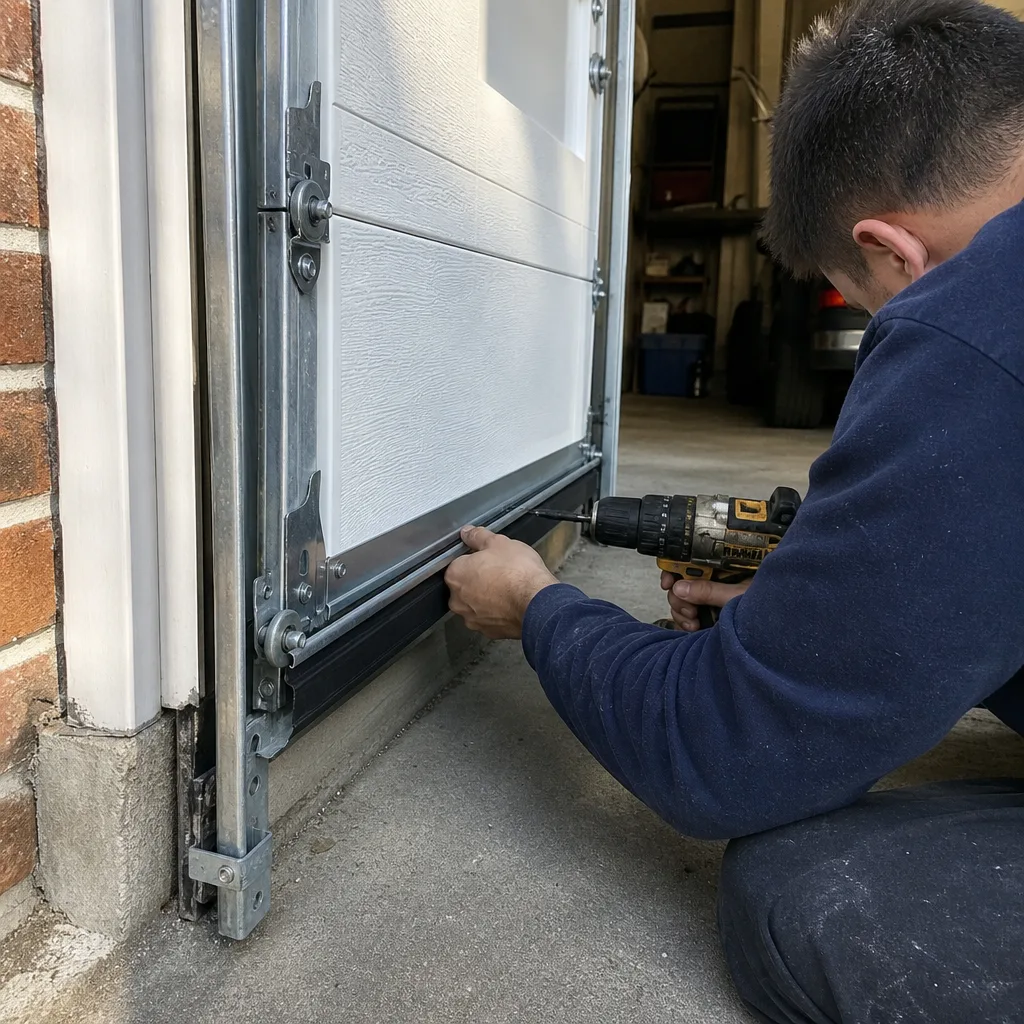
Last updated November 21, 2026
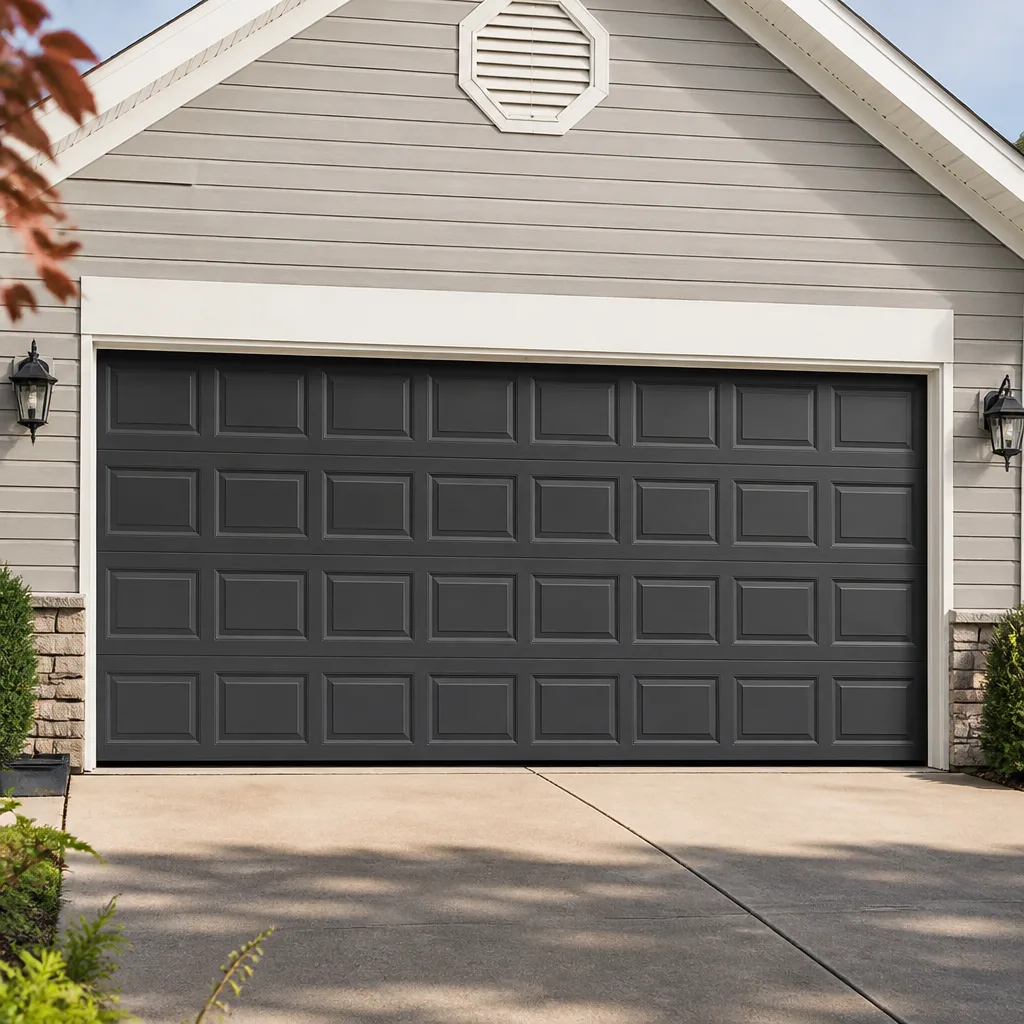 Raised-panel steel
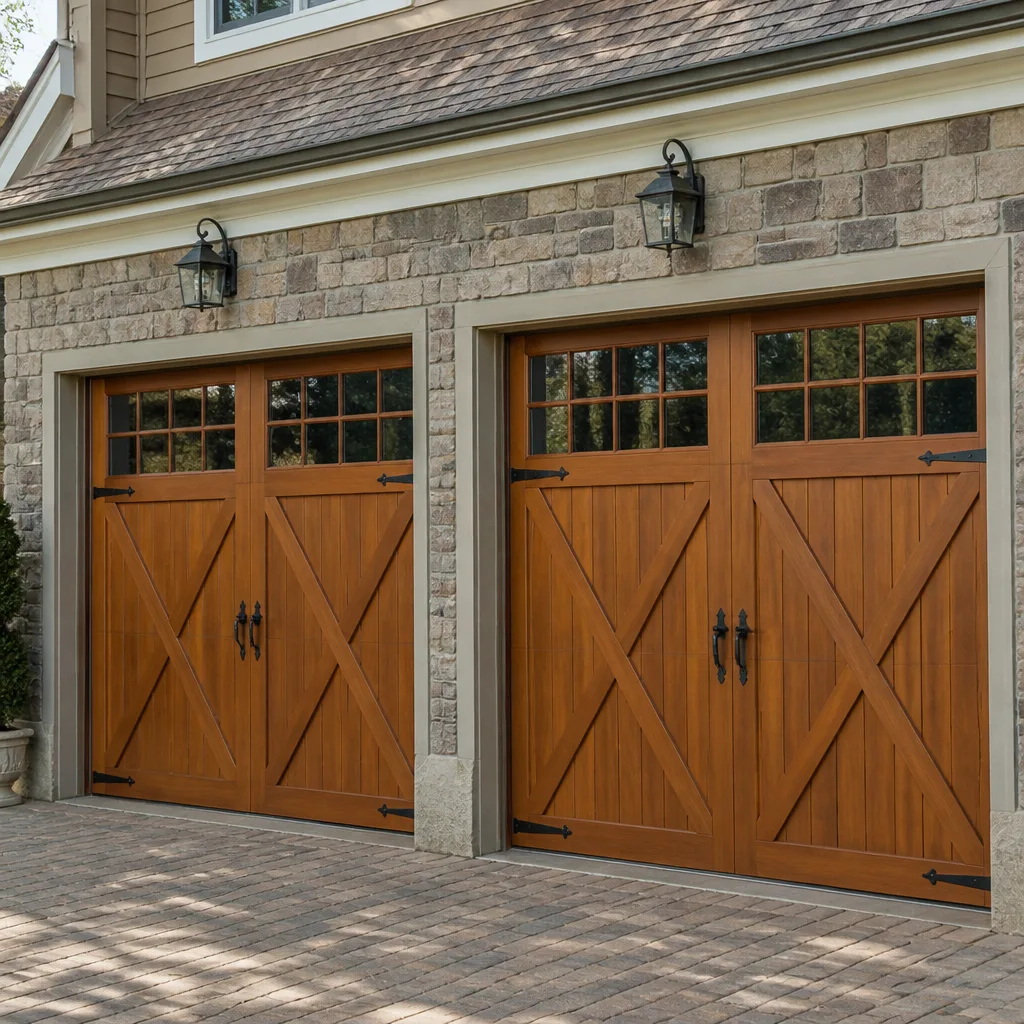 Carriage house
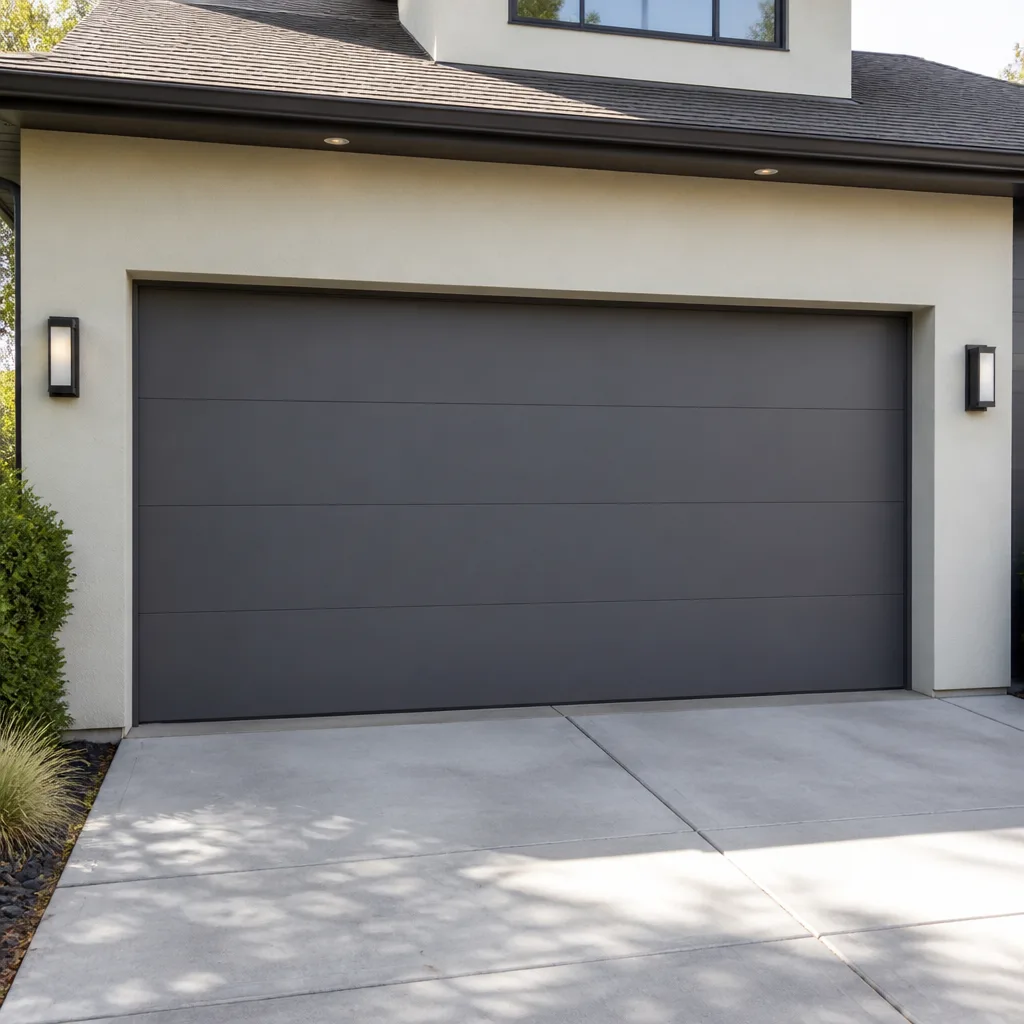 Modern flush
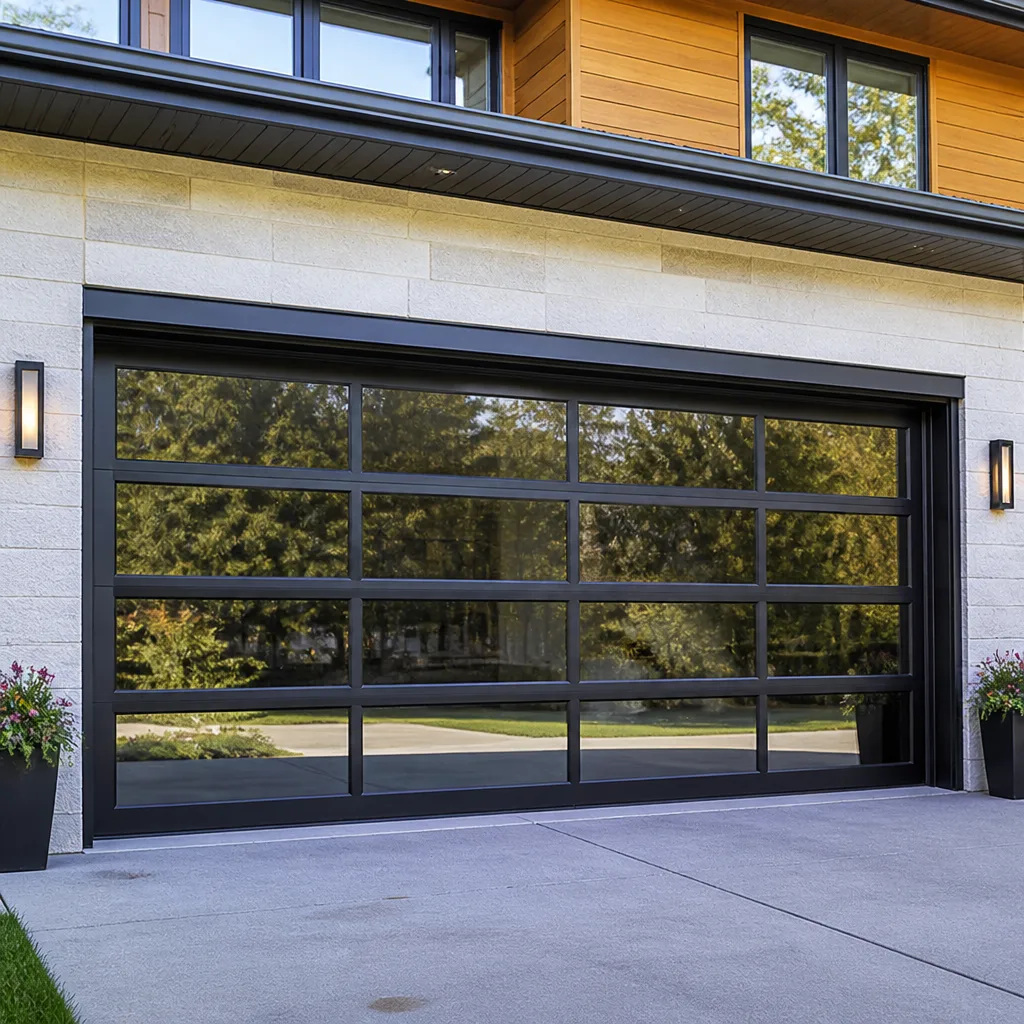 Full-view glass
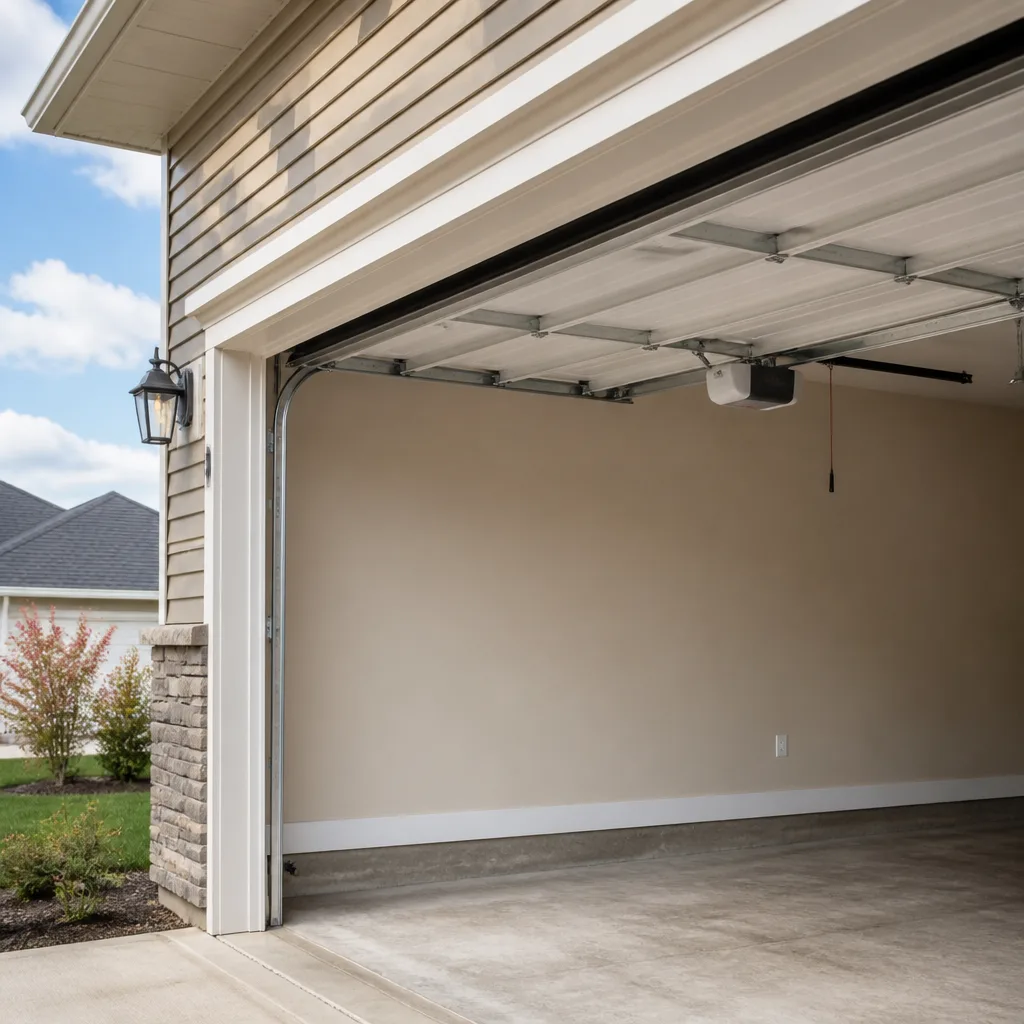 LiftMaster openers
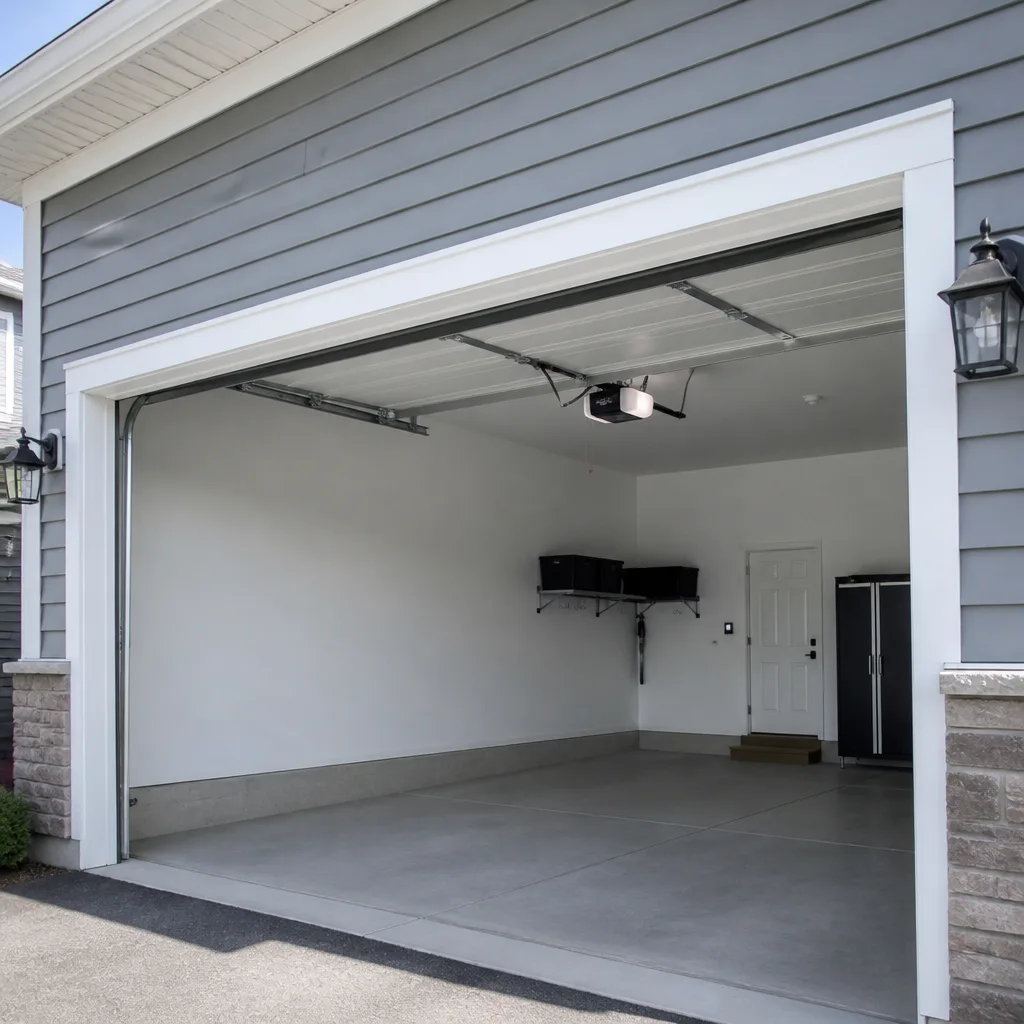 Chamberlain openers
Full 25-point door and opener safety check with every visit - springs, cables, rollers, tracks, and your LiftMaster or Chamberlain opener included
You get a price before we start. It does not change when the pro arrives.
Get your free estimateGarage Door Cost Breakdown: The Carrick Homeowner’s Reference for 2026
Most garage door cost guides hand you a range so wide it can’t help you budget. You’ll see “$200 to $4,000” and learn nothing about your actual door. The real driver of cost variance isn’t labor rates at all. It’s spring specification. A standard torsion spring for a 16×7 door might run about $95 in parts; the same job with a high-cycle 25,000-turn spring on a heavy carriage-house door can hit $210. That spread almost never gets explained, and it’s the difference between a quote that fits your door and one that surprises you. This reference builds cost from components up, so Carrick homeowners can price their own situation before anyone knocks on the door.
Quick Answer
Garage door repair in Carrick typically runs $150 to $450 for common fixes like springs, cables, and rollers, while a full door replacement generally lands between $1,100 and $4,200 depending on size, steel gauge, insulation, and whether an opener is included. The written estimate you receive before work starts sets the final price, and that estimate is free. The biggest single variable in any repair quote is spring type and cycle rating, not labor.
Styles & brands we work with
- Raised-panel steel
- Carriage house
- Modern flush
- Full-view glass
- LiftMaster openers
- Chamberlain openers
Table of Contents
- Component-by-Component Parts Costs for 2026
- Labor and Billing: What Flat-Rate vs. Hourly Means for You
- Why Spring Specification Drives Your Total
- Full Door Replacement Cost Matrix
- The Cost of Deferring Repairs
- Which Upgrades Have Measurable ROI
- Brand Fluency and What It Saves You
- When to Call a Professional
Component-by-Component Parts Costs for 2026
Garage doors are assemblies, and pricing them by assembly is how you get real numbers. Here’s how the individual parts stack up in the Carrick market for 2026. These are typical parts ranges for residential doors; the written estimate sets the final price and folds in labor where it applies.
| Component | Typical 2026 Range | Notes |
|---|---|---|
| Standard torsion spring (one) | $75 – $120 | For a common 16×7 door |
| High-cycle torsion spring (one, 25,000-turn) | $160 – $230 | Heavy or carriage-house doors |
| Extension spring (one) | $55 – $95 | Older door setups |
| Nylon rollers (set) | $60 – $110 | Quieter, longer-wearing than steel |
| Steel rollers (set) | $40 – $75 | Budget option, noisier |
| Lift cables (pair) | $50 – $90 | Always replaced as a pair |
| Bottom section panel (steel) | $120 – $400 | Varies by gauge and brand |
| Hinges and brackets (set) | $40 – $90 | Common on older doors |
| Torsion spring (matched pair) | roughly double the single | Paired springs replaced together |
One thing to know about spring pricing: a quote for “one spring” is exactly that. Standard practice replaces matched pairs together because they wear at the same rate. If your door runs two springs, expect the pair to cost about twice the single-spring figure. Any guide that quotes one range for both isn’t giving you a usable number.
Panel gauges matter more than homeowners expect. A 24-gauge steel door panel is thicker and resists dents better than a 26-gauge panel, and it costs more. When a bottom section takes a hit, the replacement panel needs to match the original gauge and brand profile, or it won’t align cleanly with the rest of the door. That’s where brand fluency pays off. Our technicians have up to 12 years of experience across Clopay, Amarr, and Wayne Dalton panel profiles, so matching a replacement section isn’t guesswork.
Labor and Billing: What Flat-Rate vs. Hourly Means for You
Labor is where local pricing gets murky, and Allegheny County is no different. You’ll mostly encounter two billing structures, and knowing which one you’re getting explains why two quotes on the same job can differ by $100 or more.
- Flat-rate billing. The shop quotes one price for the whole job based on the repair type. A spring replacement is a spring replacement regardless of how long it takes. This is the most common structure for garage door work, and it’s the easiest to compare across quotes.
- Hourly billing. The shop charges an hourly rate plus parts. This can work in your favor on a quick fix and against you on a stubborn one. Ask what the hourly rate is before work begins.
- Time-and-materials with a cap. Some shops quote an estimate and hold to it unless they find something hidden. Good in principle, but get the cap in writing.
Flat-rate shops tend to be the most predictable. The price is set before the technician picks up a wrench, and it’s the same whether the job runs forty minutes or ninety. If you’re budgeting, flat-rate removes the uncertainty. When we quote a spring repair in Carrick, it’s flat-rate: the estimated price is agreed before any work starts, and the written estimate sets the final price.
What you should never see is a diagnostic fee, a trip charge, or a “service-call fee” presented as separate from the repair. The estimate is free and the price is set per job. If a quote gets padded with fees before the work is even scoped, ask why. The breakdown itself should answer that question.
Why Spring Specification Drives Your Total
Springs are the costliest single part on most repair jobs, and they’re also the most misunderstood. Here’s the plain version: a spring is rated by how many cycles it can survive before breaking. A standard cycle spring is rated around 10,000 cycles; a high-cycle spring can be rated 25,000 turns or more. A cycle is one open-and-close. A household that cycles the door four times a day burns through a standard spring faster than a household that cycles twice.
That’s why identical-looking doors can produce very different quotes:
- Standard spring, 16×7 door: roughly $95 in parts, the most common replacement.
- High-cycle 25,000-turn spring: roughly $210 in parts, justified on heavy or frequently used doors.
- Carriage-house or oversized door: may need a heavier wire gauge spring, pushing parts higher still.
- Paired springs: two springs replaced together, roughly double the single-part figure.
A good technician measures the door weight and checks the existing spring’s wire size before quoting, not after. That measurement is what separates a quote that holds from one that changes once the door is opened up. If you want the deeper mechanical explanation behind the number, this garage door repair Carrick page covers how the repair actually works.
A safety note that matters. Torsion springs and the cables under tension are the most dangerous part of any garage door. A loaded spring stores enough energy to cause serious injury, and the winding process needs the right tools and training. This isn’t a component to experiment with. Our technicians treat spring work as a dedicated service for exactly that reason, and anyone advising you to handle it yourself is giving you bad advice.
Full Door Replacement Cost Matrix
Sometimes repair isn’t the right call, and a replacement makes more sense. Here’s how the replacement numbers break down. Replacement is measured, ordered, and scheduled work, so the sequence starts with a free measure and a written price rather than a same-day visit.
| Configuration | Typical 2026 Range | What Drives It |
|---|---|---|
| Single door (8 – 9 ft wide), 26-gauge, uninsulated | $1,100 – $1,600 | Thinnest steel, budget profile |
| Single door, 24-gauge, insulated | $1,500 – $2,200 | Thicker steel, better thermal control |
| Double door (16 ft), 25-gauge, insulated | $1,800 – $2,800 | Most common residential size |
| Double door, 24-gauge, insulated, carriage style | $2,400 – $4,200 | Heavier sections, decorative hardware |
| Door + new opener package (belt drive) | add $350 – $650 | LiftMaster or Chamberlain typically |
| High-cycle spring upgrade at install | add $80 – $140 | Worth it on doors used daily |
Steel gauge is the number most homeowners skip, and it’s one of the biggest swing factors. The lower the gauge number, the thicker the steel: 24-gauge is thicker than 25, which is thicker than 26. A 24-gauge door resists dents and holds its shape better, especially in a Carrick climate that swings from freezing winters to humid summers. The expansion and contraction of a thin panel over a season shows up as dents and warped sections.
Insulation R-value is the next lever. If your garage is attached to the house and you spend time in it, insulation returns real value in comfort and helps stabilize the temperature of the adjoining wall. If the garage is detached and unheated, it’s mostly a comfort choice. For the full picture on measuring, ordering, and installing a new door, see our garage door installation page.
The Cost of Deferring Repairs
Small garage door problems don’t stay small, and the cost curve isn’t linear. Here’s how a modest repair turns into a bigger one.
- A worn roller starts squealing. Replacement cost: about $60 – $110 for a set.
- You live with the noise for a couple months. The roller flattens and binds in the track.
- The binding roller strains the hinge and section. Now you’re looking at a hinge set and a possible panel, $40 – $400 on top.
- The track bends from the misalignment. Track replacement runs $150 – $320, and now the $120 roller job has become a $380 track job plus a door that needs realignment.
The pattern repeats across the whole door. A stretched cable left alone can snap and drop the door unevenly, which loads the spring and the opener. A grinding opener left alone can burn out its gear or motor. None of these are scare tactics; they’re the normal aging curve of mechanical parts under tension. The repair that would have cost a couple hundred dollars grows because each worn part accelerates the wear on its neighbor.
What we tell Carrick homeowners is simple: if you hear a new squeal, feel the door stutter when it opens, or see a cable that looks slack, get it looked at before the problem spreads. A free estimate now is cheaper than a full track and panel job later. That’s the whole argument against deferring.
Which Upgrades Have Measurable ROI
Not every upgrade is worth the money, and it helps to separate the ones that pay you back from the ones that just look nice.
Upgrades with a functional return
- High-cycle springs. A 25,000-turn spring costs more up front but outlasts a standard spring roughly 2.5 times over, which means fewer replacements across the life of the door. On a door used daily, this pays back.
- Insulation in an attached garage. An insulated door improves comfort in the space next to the house and reduces temperature transfer through the shared wall. On a heated home, this is measurable.
- Nylon rollers. Quieter and longer-wearing than steel, and they reduce wear on the track. A modest upcharge for a real reduction in noise and strain.
- Sealed bearings and reinforced hinges. Small parts that extend the life of larger ones. Worth folding into a repair while the door is already apart.
Upgrades that are mostly aesthetic
- Decorative carriage hardware, window inserts, and premium finishes.
- Color and window choices that don’t change function.
- Smart opener features you won’t use. App-connected LiftMaster and Chamberlain units are great if you want the integration, but a basic opener does the same mechanical job.
The rule of thumb: upgrades that reduce cycles, strain, or thermal transfer tend to pay back. Upgrades that change appearance are a design choice, and there’s nothing wrong with that, as long as you’re not confusing the two when you budget.
Brand Fluency and What It Saves You
A large part of what you pay for in a garage door quote is diagnosis and parts matching, not just labor. A technician who knows your brand walks up, identifies the system, and knows the correct replacement part without ordering a sample or guessing. That speed and accuracy is money in your pocket.
We work across eight major brands: LiftMaster, Chamberlain, Genie, Clopay, Amarr, Wayne Dalton, Craftsman, and Raynor. Whether you have a Craftsman opener from the 1990s or a newer Chamberlain smart unit, the diagnosis comes from familiarity with the specific system, not generic trial and error. For opener-specific issues, our garage door opener repair page walks through what actually fails and why.
Parts availability matters too. When a common repair doesn’t need a special order, you’re not waiting days for a part to arrive before the technician can come back. A shop that keeps common parts on hand shortens the job. When we quote a repair, we’re checking parts against real stock, not promising a delivery date we can’t control.
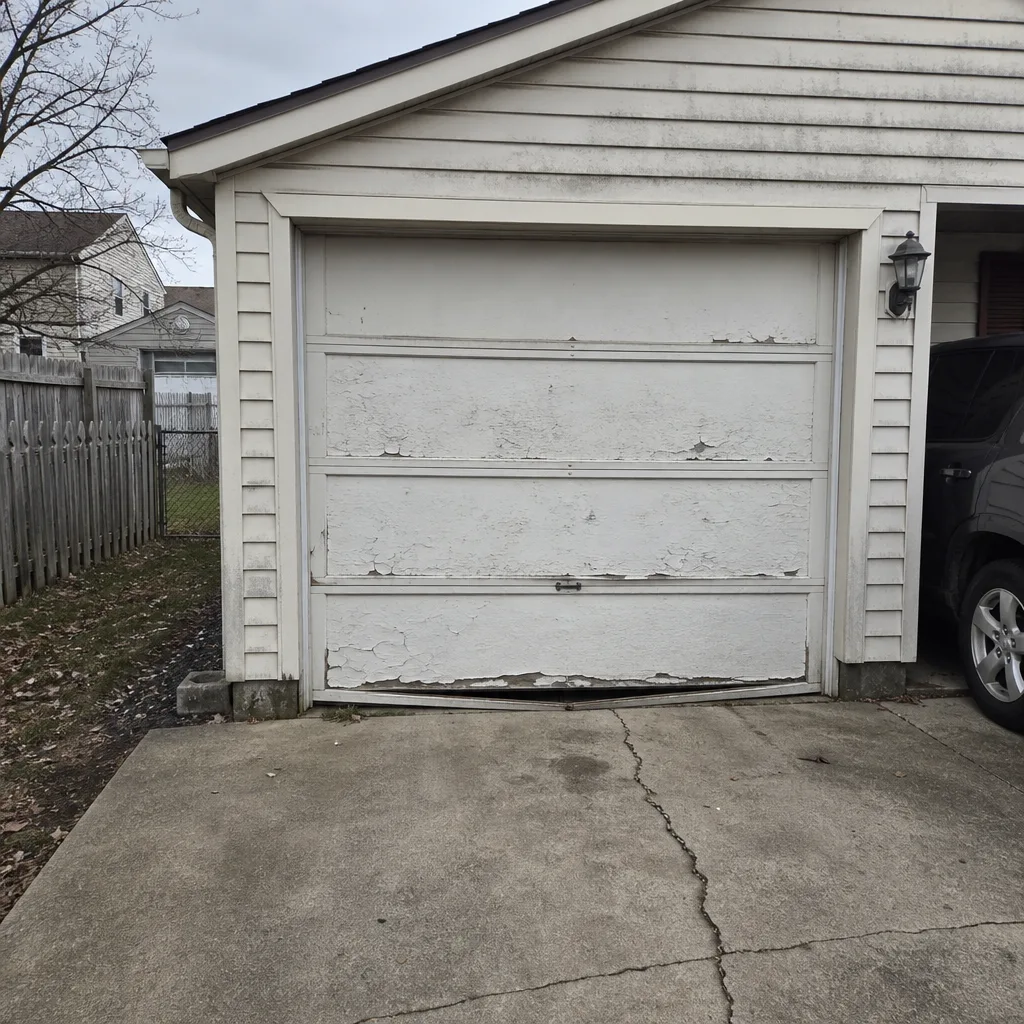
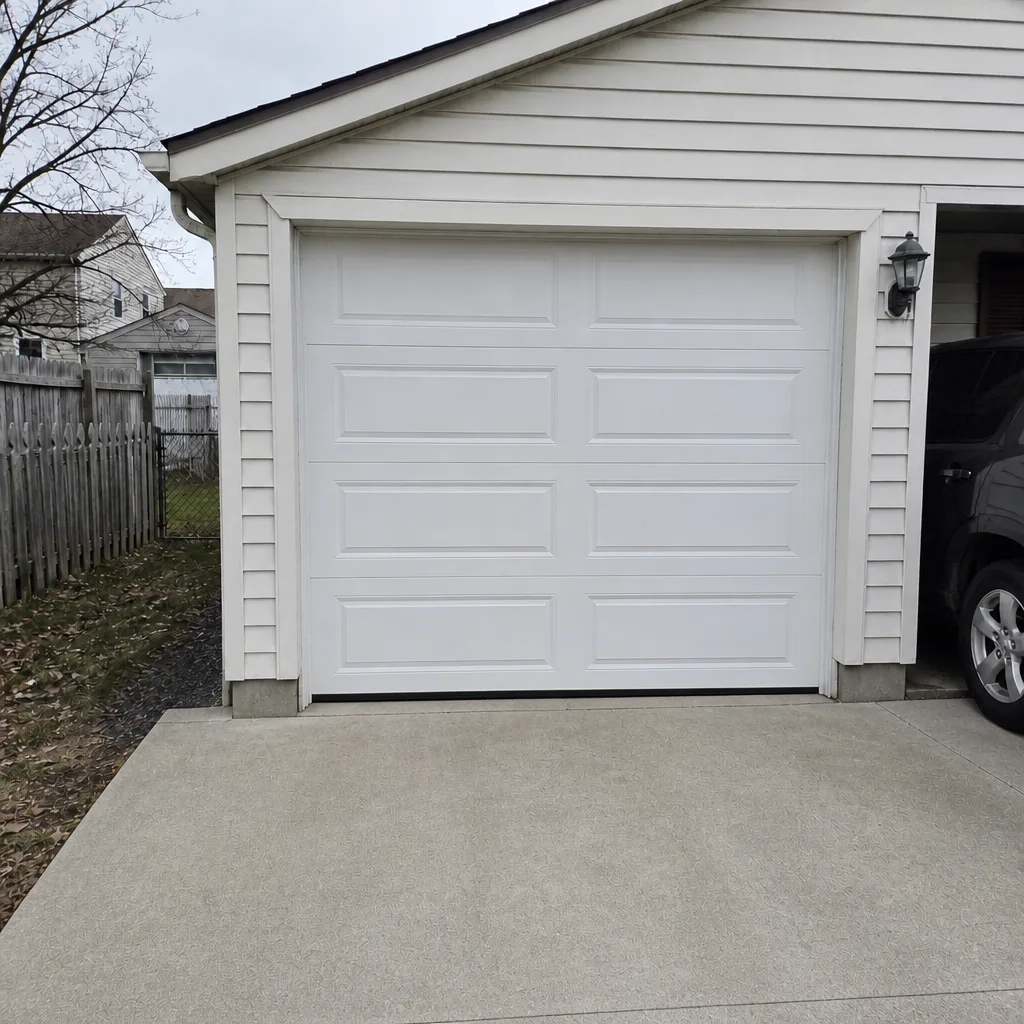
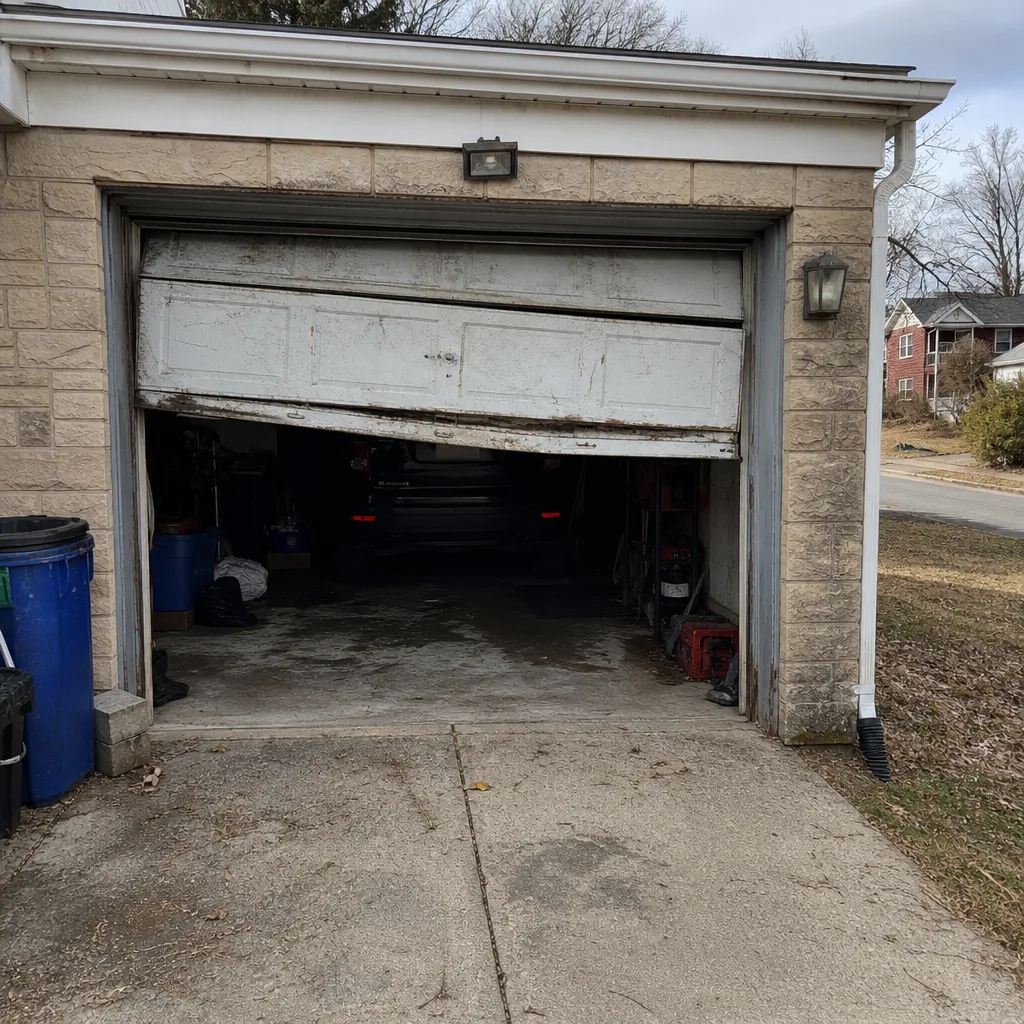
See the difference
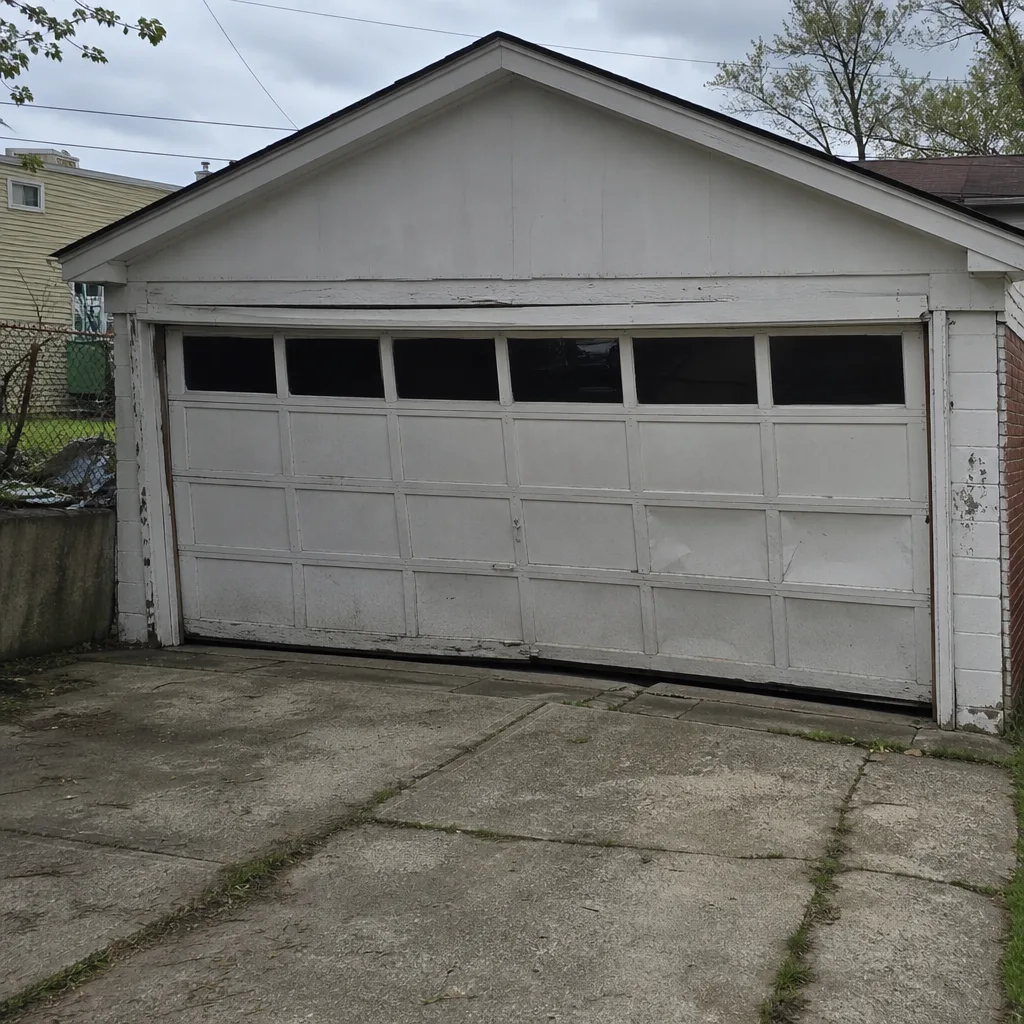 Before
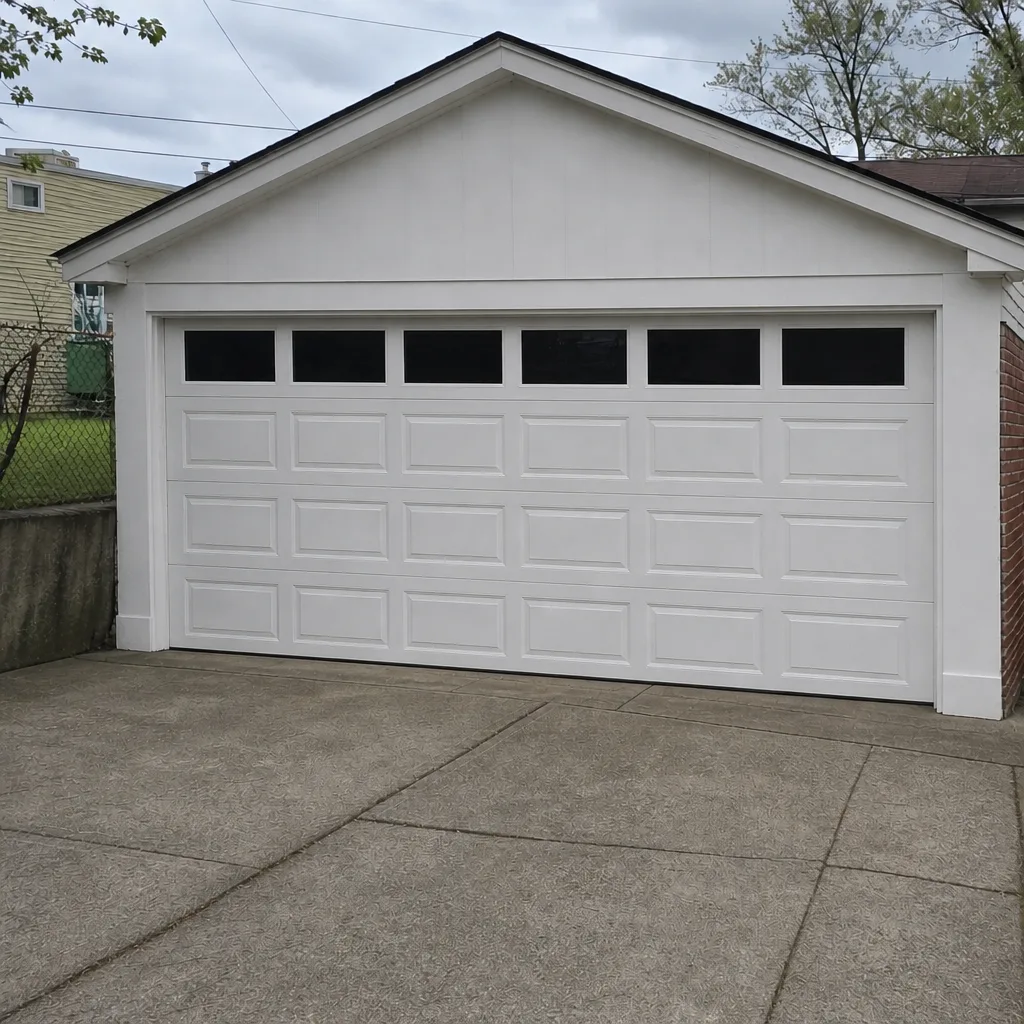 After
 Before
 After
 Before
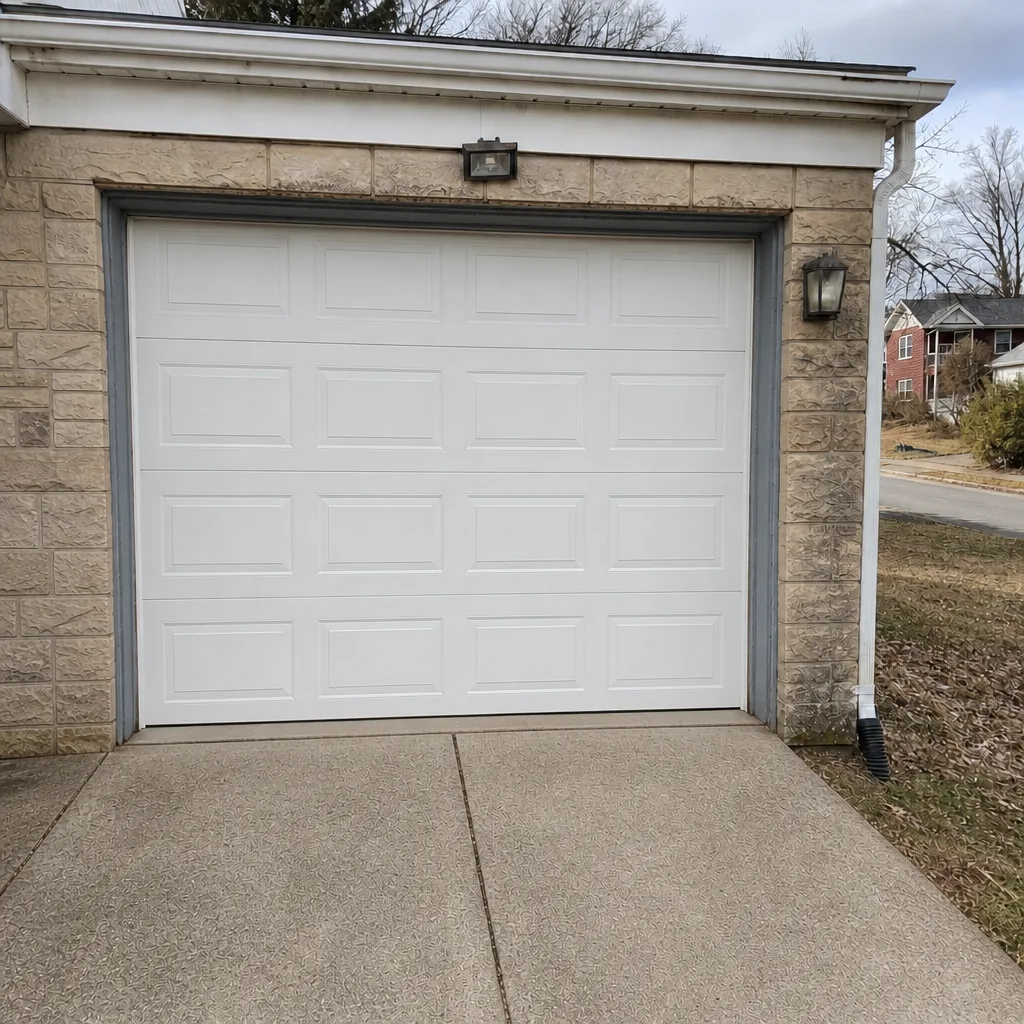 After
Common Mistakes to Avoid
- Accepting a quote that doesn’t specify spring type and cycle rating. Without those numbers, you can’t compare two quotes fairly, and one may be a standard spring quoted at a high-cycle price.
- Replacing a single spring when its pair is the same age. A matched pair wears together. Replacing one leaves the door running on mismatched springs, which strains the opener and unbalances the door.
- Choosing the lowest bid without checking what it covers. A low quote that excludes balanced alignment, cable inspection, or a safety check will cost more once the door comes apart.
- Ignoring a new noise or uneven motion. A squealing roller or a door that stutters is your warning that a small part is failing. Deal with it before it influences the whole system.
- Skipping the free measure on a replacement. Replacement doors are made to measure. A door quoted from a photo can arrive the wrong size or wrong gauge, and that’s a costly reorder in a Carrick climate that tests thin panels.
- Treating the opener as the whole system. An opener can’t compensate for worn springs, cables, or rollers. Replacing the opener on a failing door just moves the strain to a new motor.
- Handling springs as a do-it-yourself project. The stored tension in a wound spring is dangerous. Springs and cables are a job for trained technicians with the right tools.
When to Call a Professional
Call a professional when the door won’t open or close, when you hear a loud bang from the spring area, when the door hangs crooked, or when the opener runs without moving the door. Any of those can signal a spring, cable, or opener failure that puts stress on the whole assembly and isn’t safe to chase on your own. A sagging or slow-rising door is another common sign of a failing spring. If a top panel is bowing or a track is bent out of line, that’s also the point to stop and get help. For spring and cable issues especially, this isn’t a repair to attempt yourself; the tension involved can cause serious injury.
Garage Door Repair Carrick offers free estimates in Carrick: call (833) 508-9951. We answer 24/7. Fast dispatch from 7am to 7pm, Sunday through Friday. Our technicians have up to 12 years of experience, and we’ll quote the job before any work starts, so you know the price in writing first.
Frequently Asked Questions
Most common garage door repairs in Carrick run $150 to $450, covering springs, rollers, cables, and opener fixes. The written estimate you get before work starts sets the final price, and the estimate is free. Call (833) 508-9951 for an exact quote.
No, the price we quote is the price you pay for the scope agreed in the written estimate. If we open the door and find something outside the original scope, we tell you before doing anything and re-quote; nothing gets added without your agreement. Call (833) 508-9951 for a free estimate and a firm price.
A full replacement in Carrick typically runs $1,100 to $4,200 depending on whether it’s a single or double door, the steel gauge, insulation, and whether an opener package is included. Replacement is measured and scheduled work, so the process starts with a free measure and a written price. Call (833) 508-9951 to book that measure.
We can often get to a broken spring the same day, since a door that won’t open is a real security issue. We answer 24/7 and fast dispatch runs 7am to 7pm, Sunday through Friday. Call (833) 508-9951 to check availability and get a quote.
The range usually comes from spring specification, door size, and steel gauge, not from labor rates. A standard spring for a common door can be around $95 in parts, while a high-cycle 25,000-turn spring can run about $210, and a replacement door can vary by $1,500 across gauge and insulation options. Getting the specific numbers for your door is what narrows the range. Call (833) 508-9951 for a quote that fits your exact setup.
The local pro we connect you with is licensed and insured as their state requires. Our technicians have up to 12 years of experience, and we work across eight major brands including LiftMaster, Chamberlain, Clopay, Amarr, Wayne Dalton, Craftsman, and Raynor. Call (833) 508-9951 for a free estimate.
The Bottom Line
The wide price ranges you see in most garage door guides come from lumping very different jobs into one number. The real drivers are spring specification, door size, and steel gauge, and once you break a door down into its parts, the costs become something you can actually budget around. Repair on common parts runs $150 to $450, replacement runs $1,100 to $4,200, and the written estimate is what locks your final price. The upgrade worth the money is the one that reduces strain over time, like a high-cycle spring or an insulated door. Deferring repairs is the one choice that reliably costs more later. If you’re ready to price your actual door rather than a generic range, call (833) 508-9951 for a free estimate in Carrick. We answer 24/7. Fast dispatch from 7am to 7pm, Sunday through Friday.
Written by the team at Garage Door Repair Carrick.